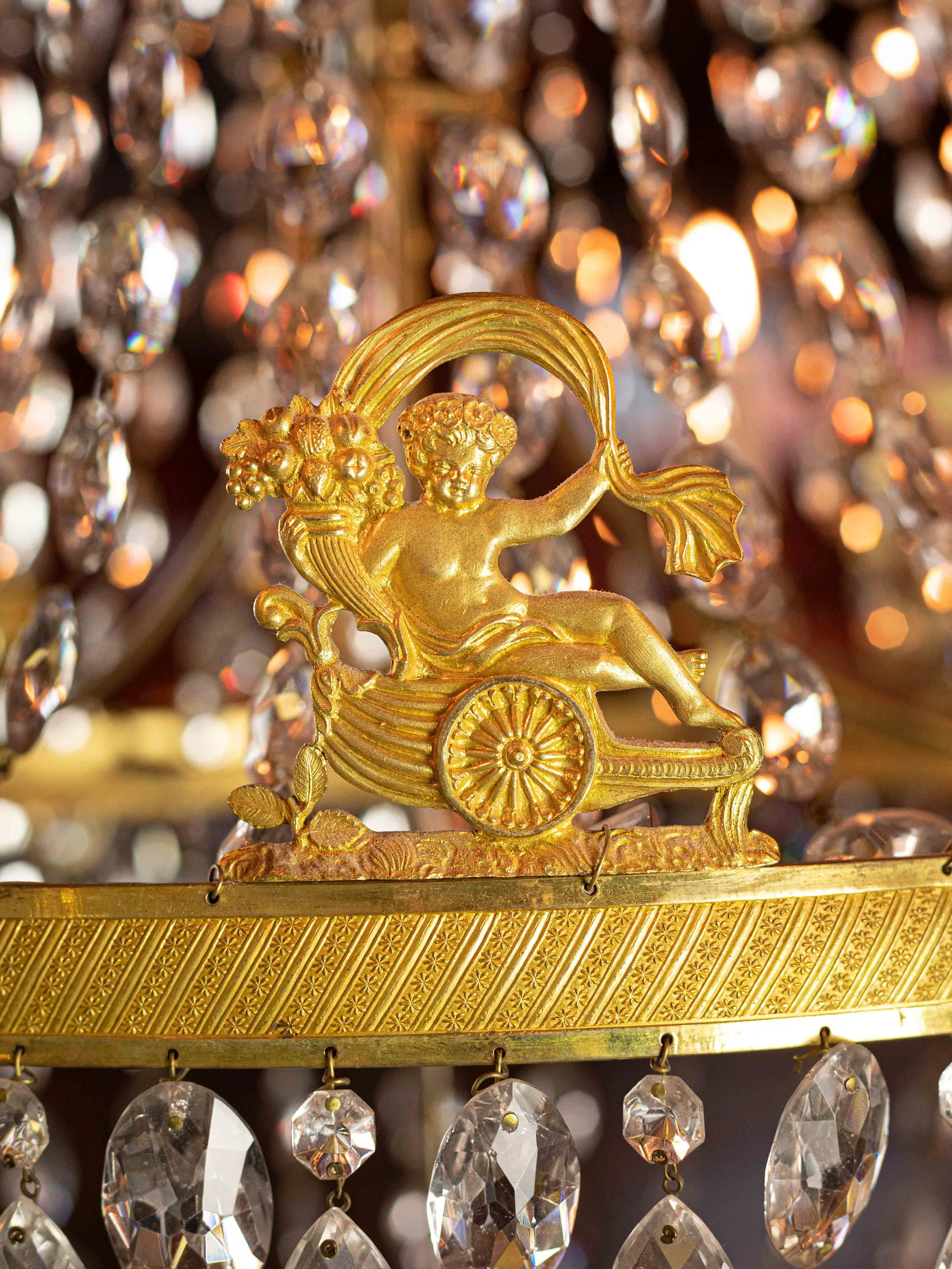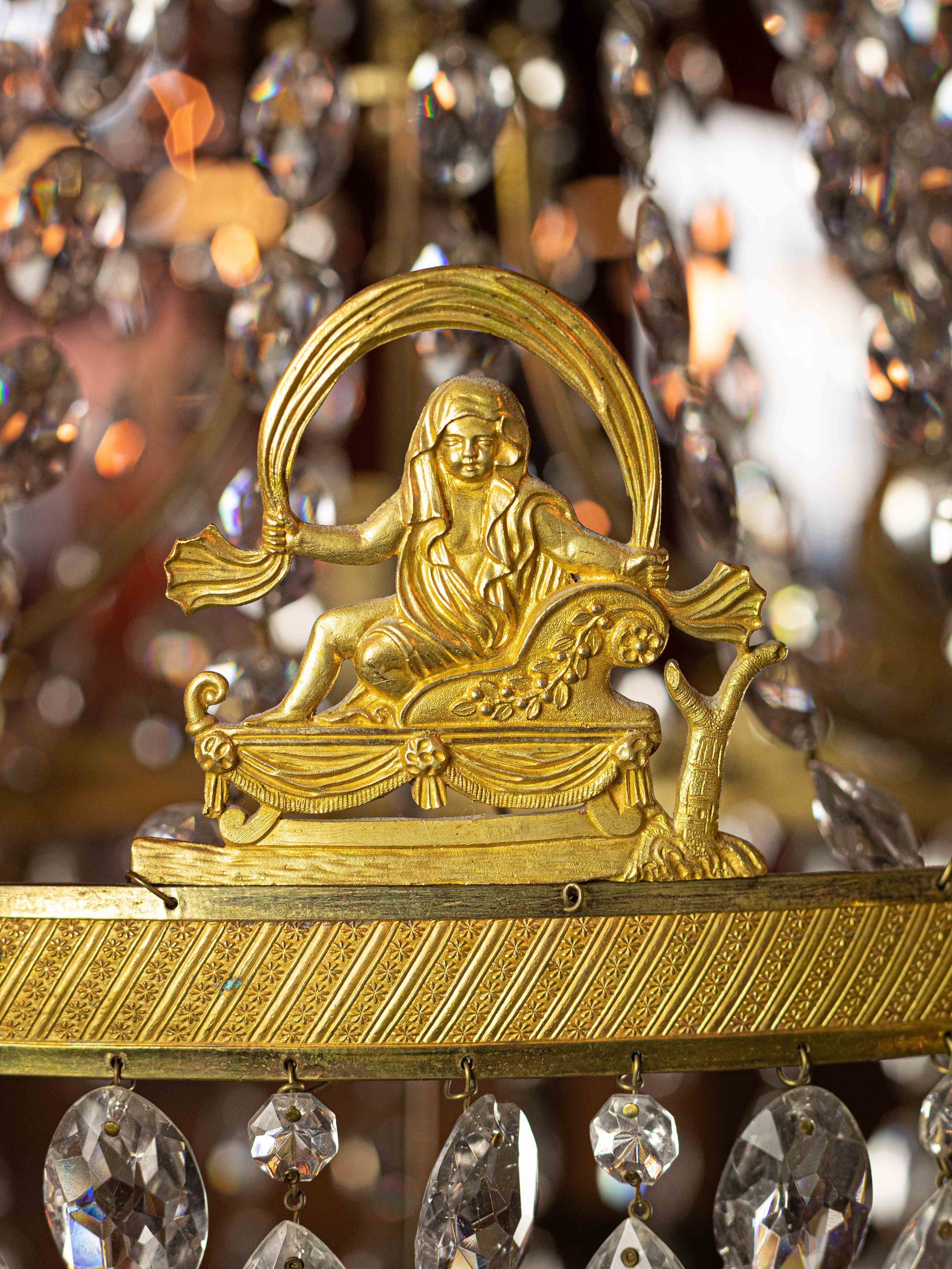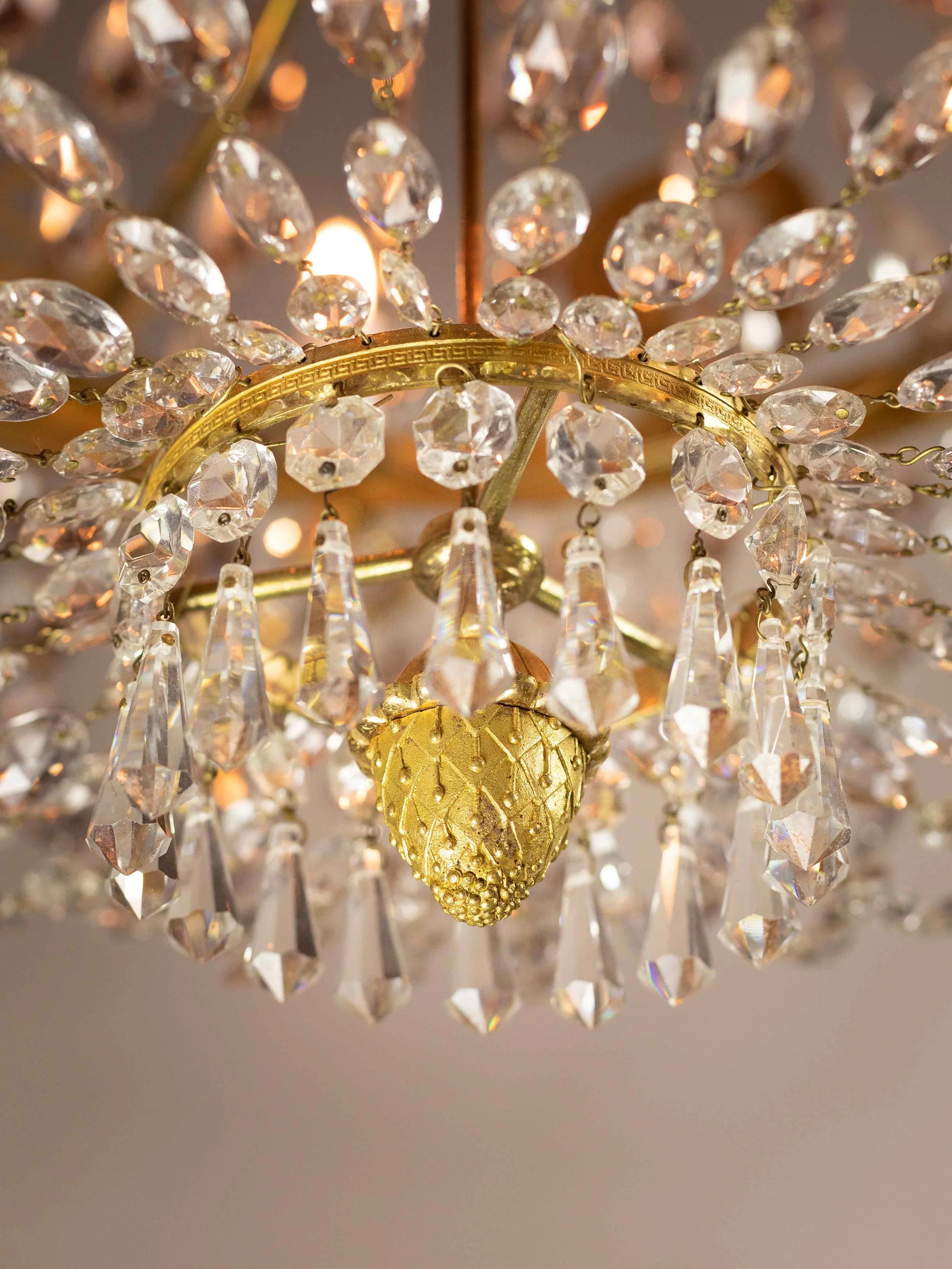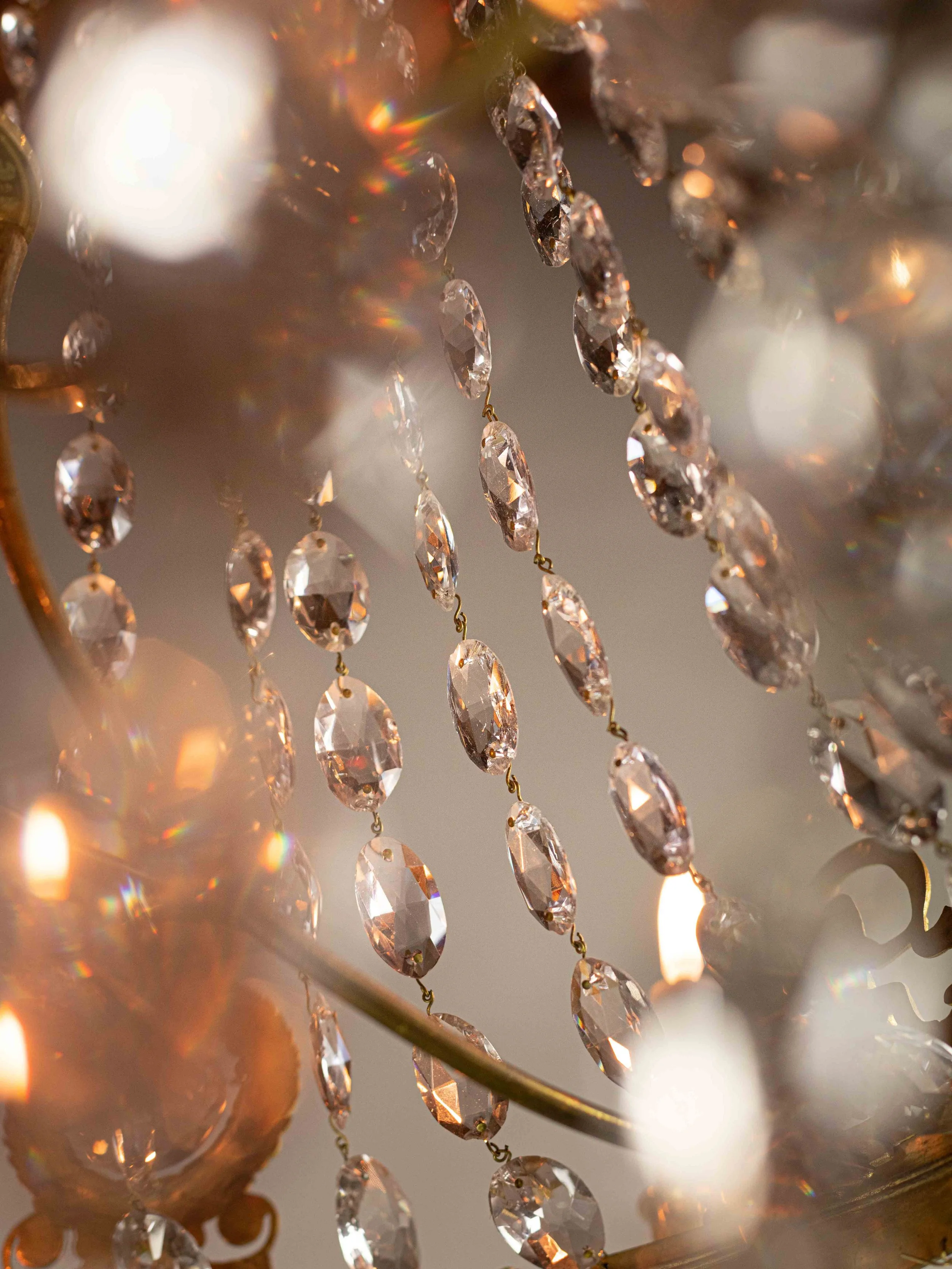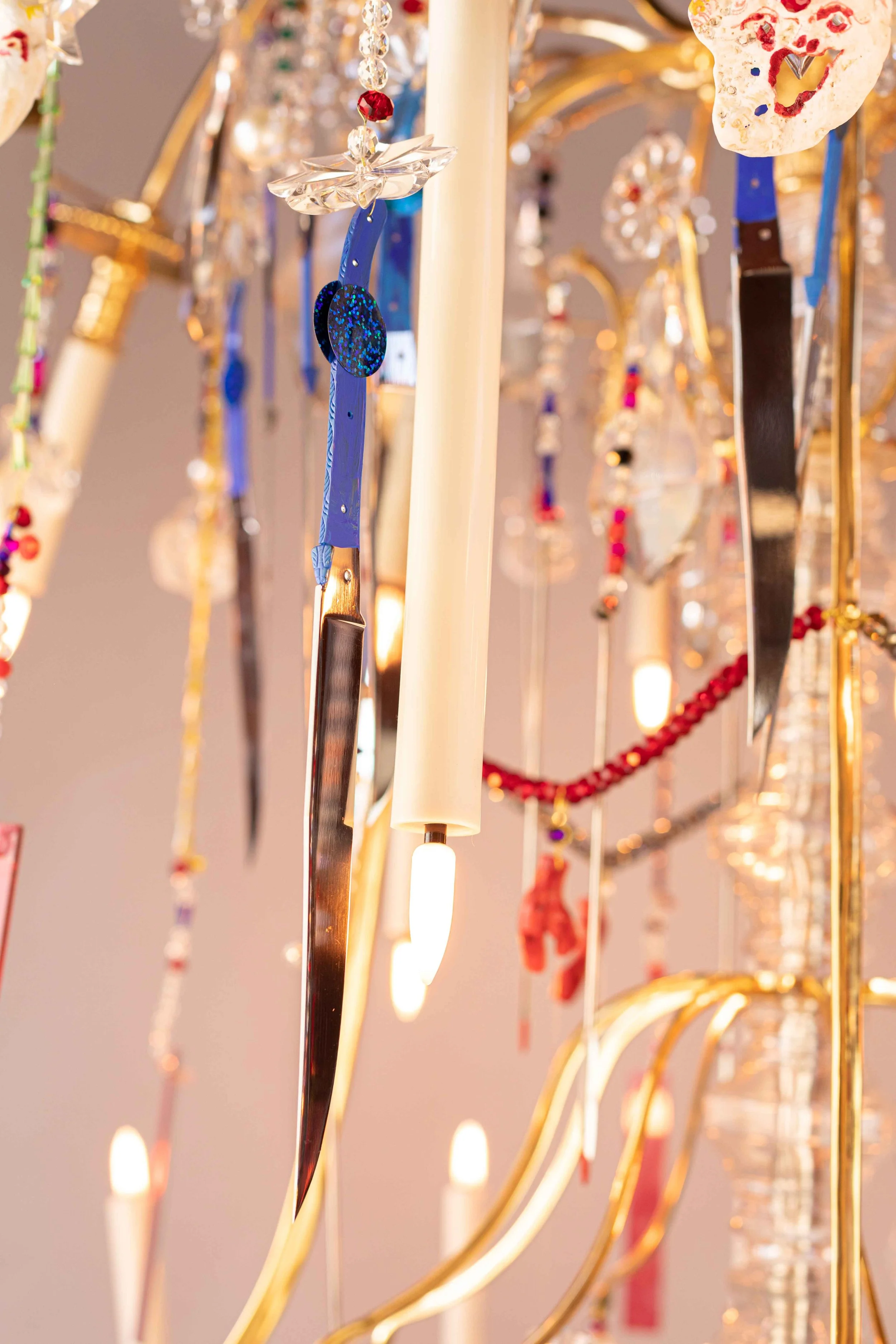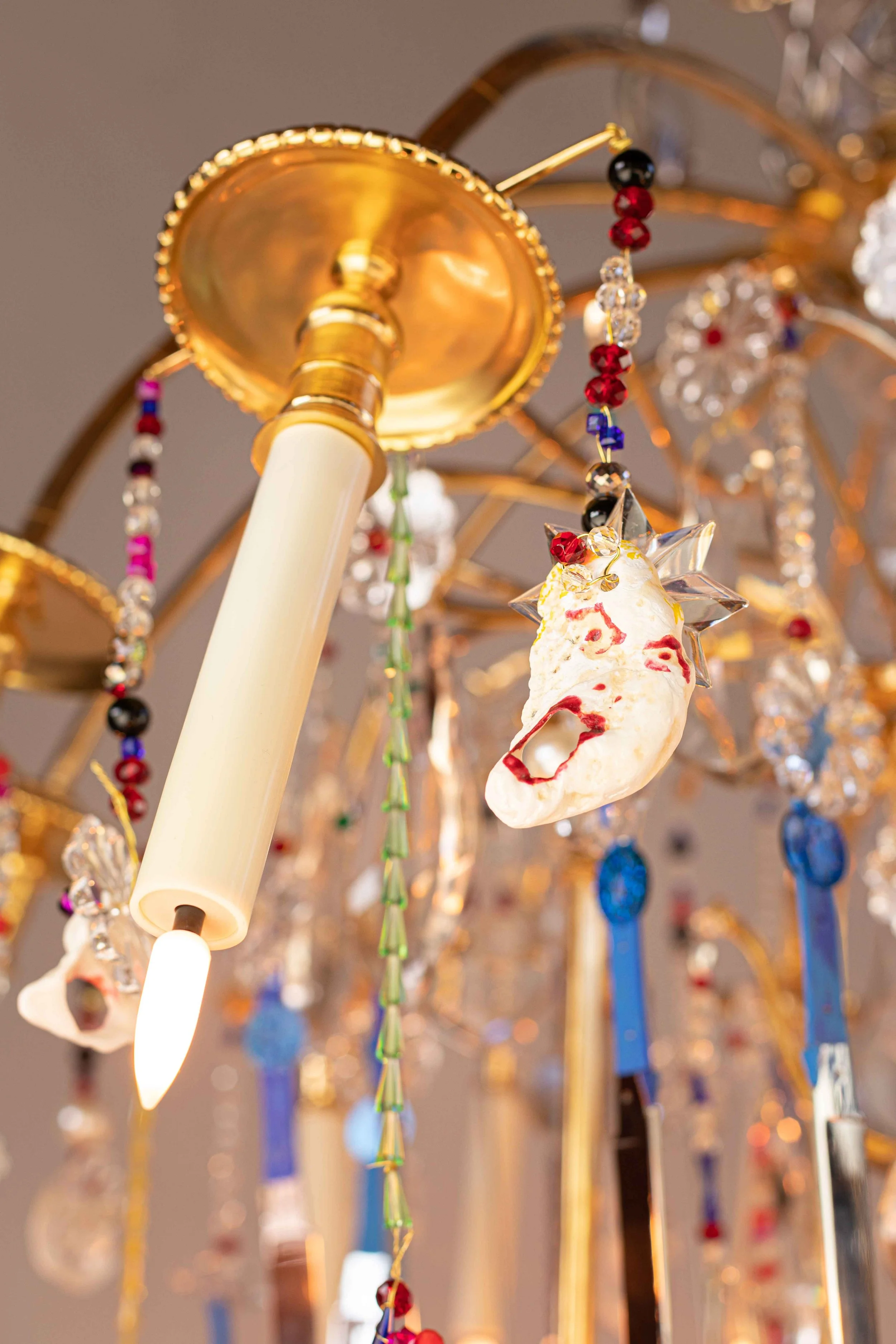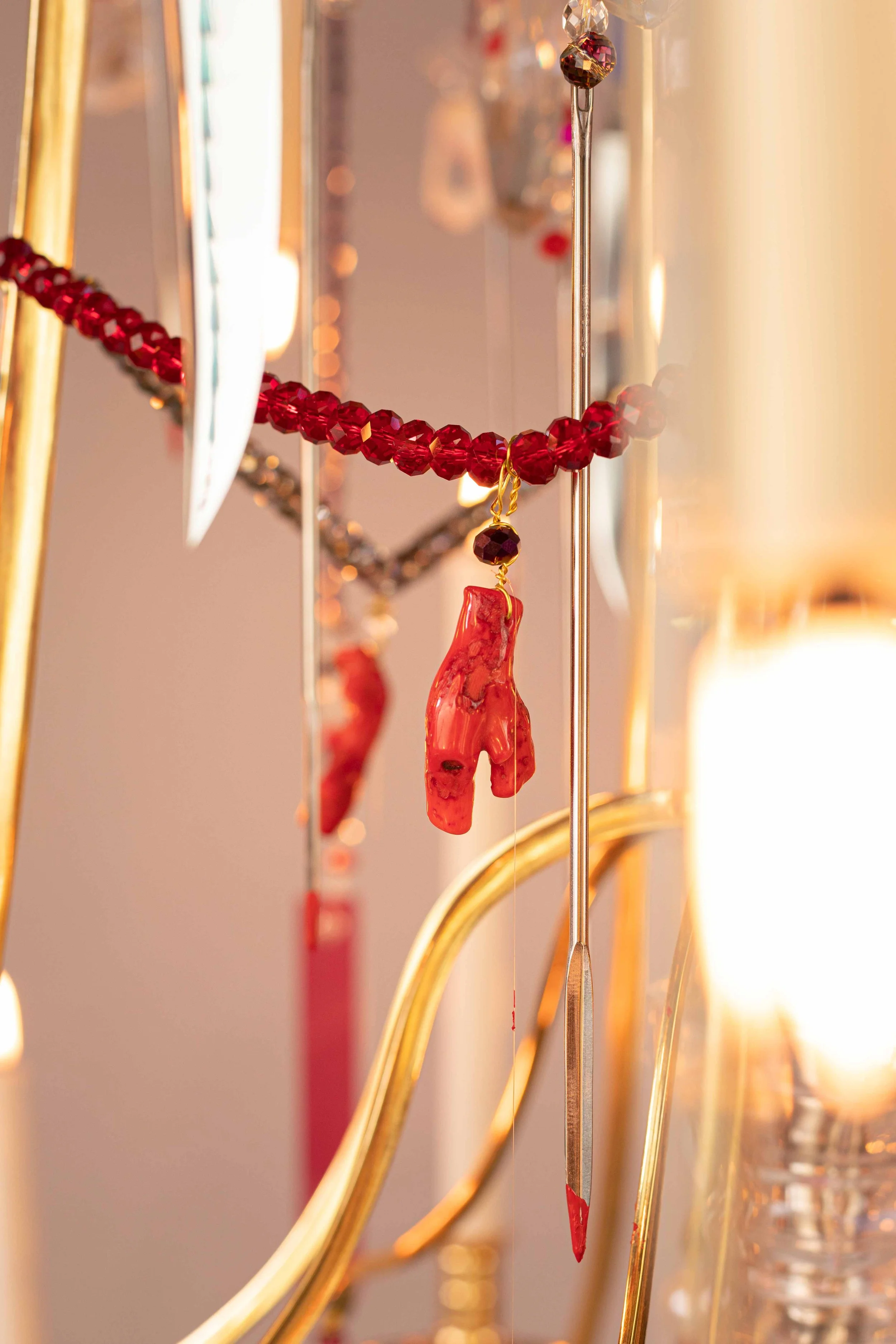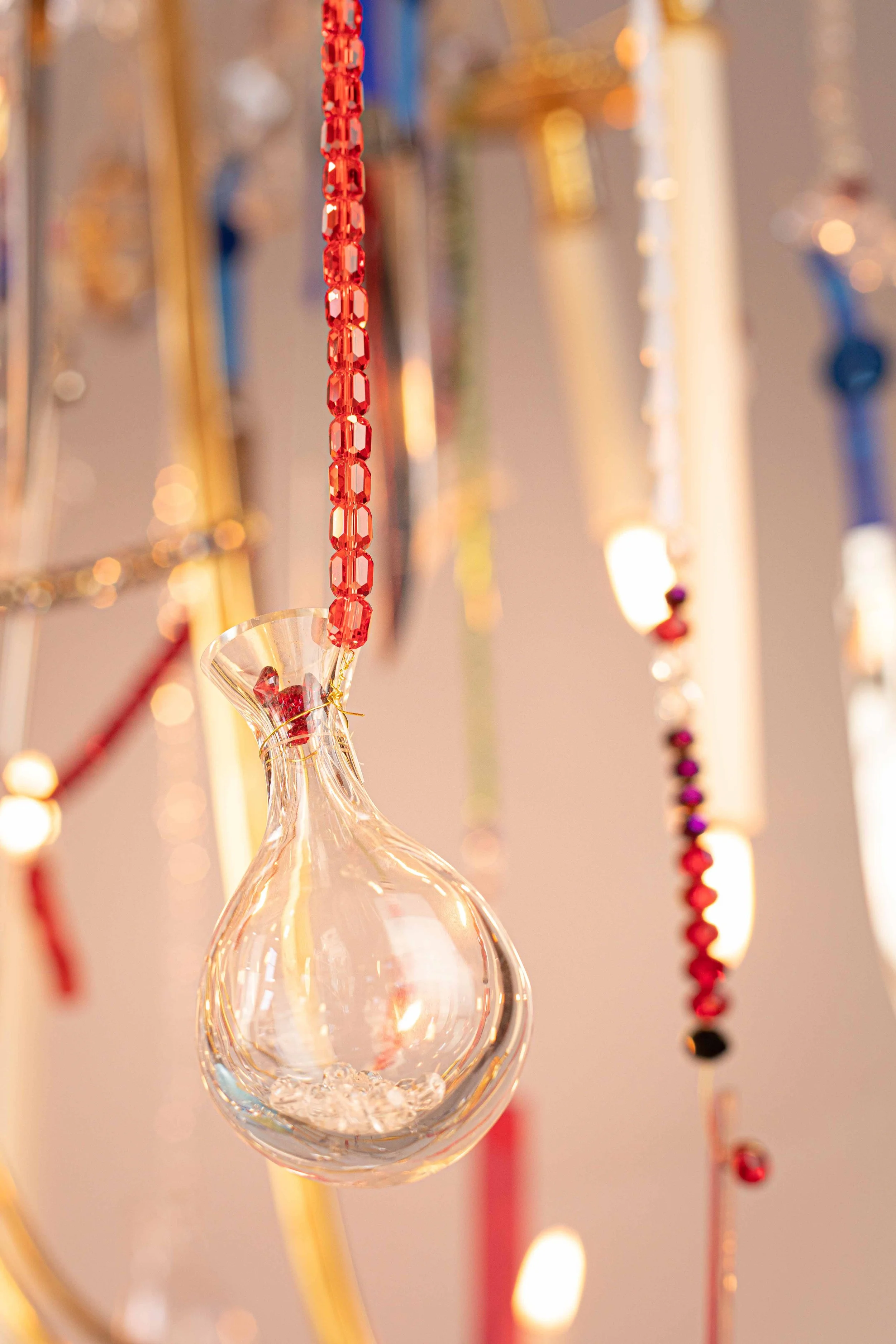
MATHIEU LUSTRERIE | Small Chandelier from Gechter

£21,385.57

Height

115 cm

Diameter

55 cm

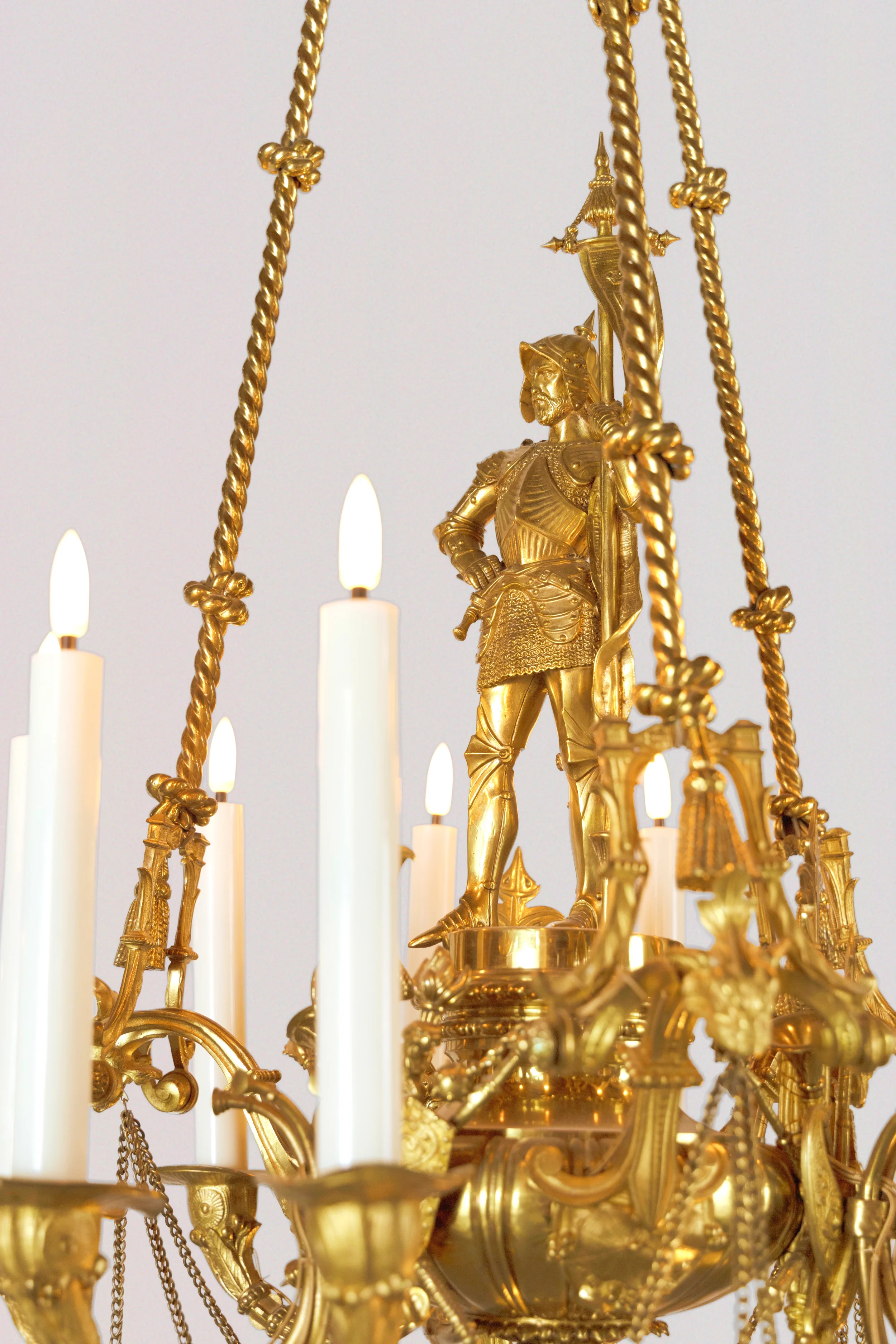
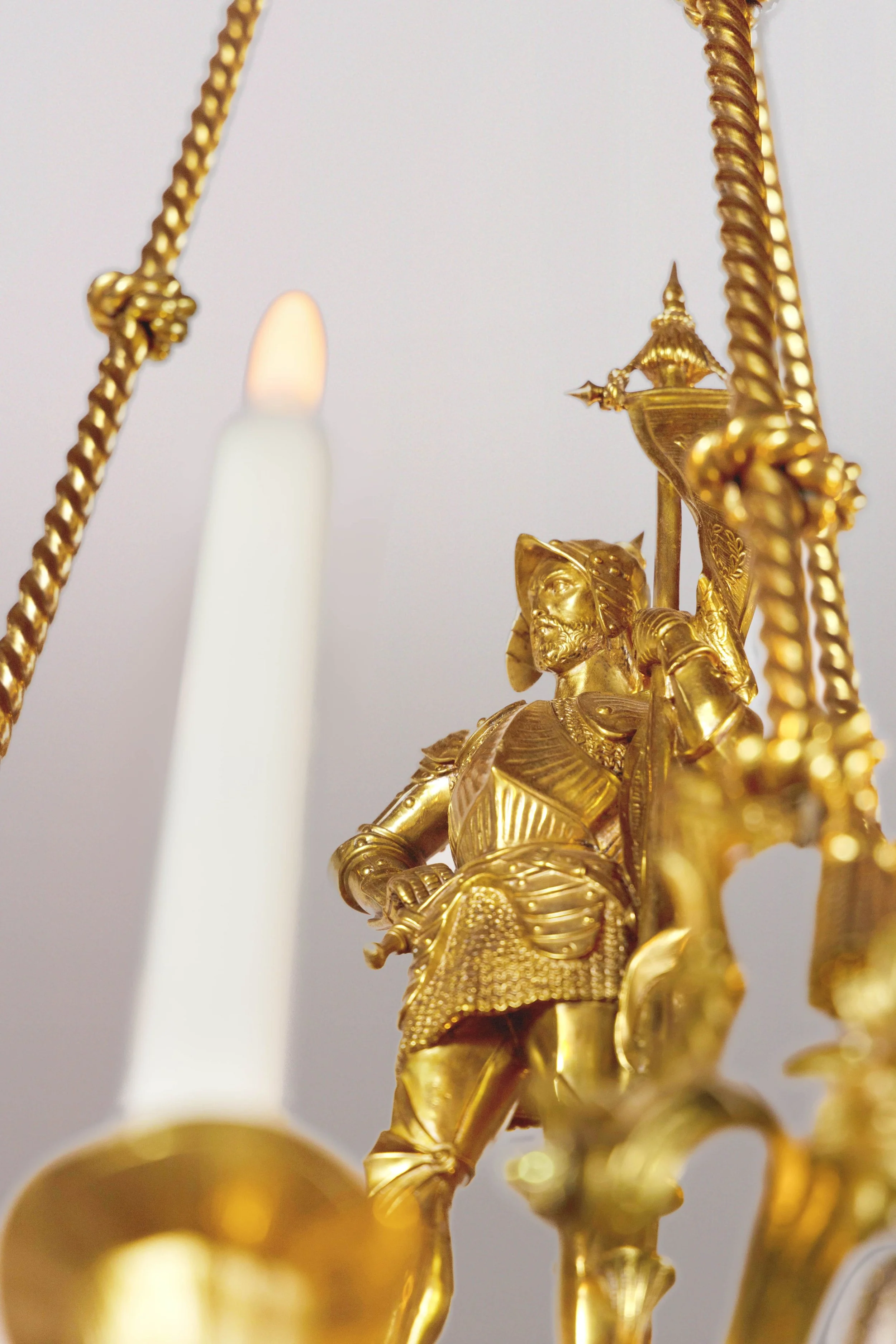
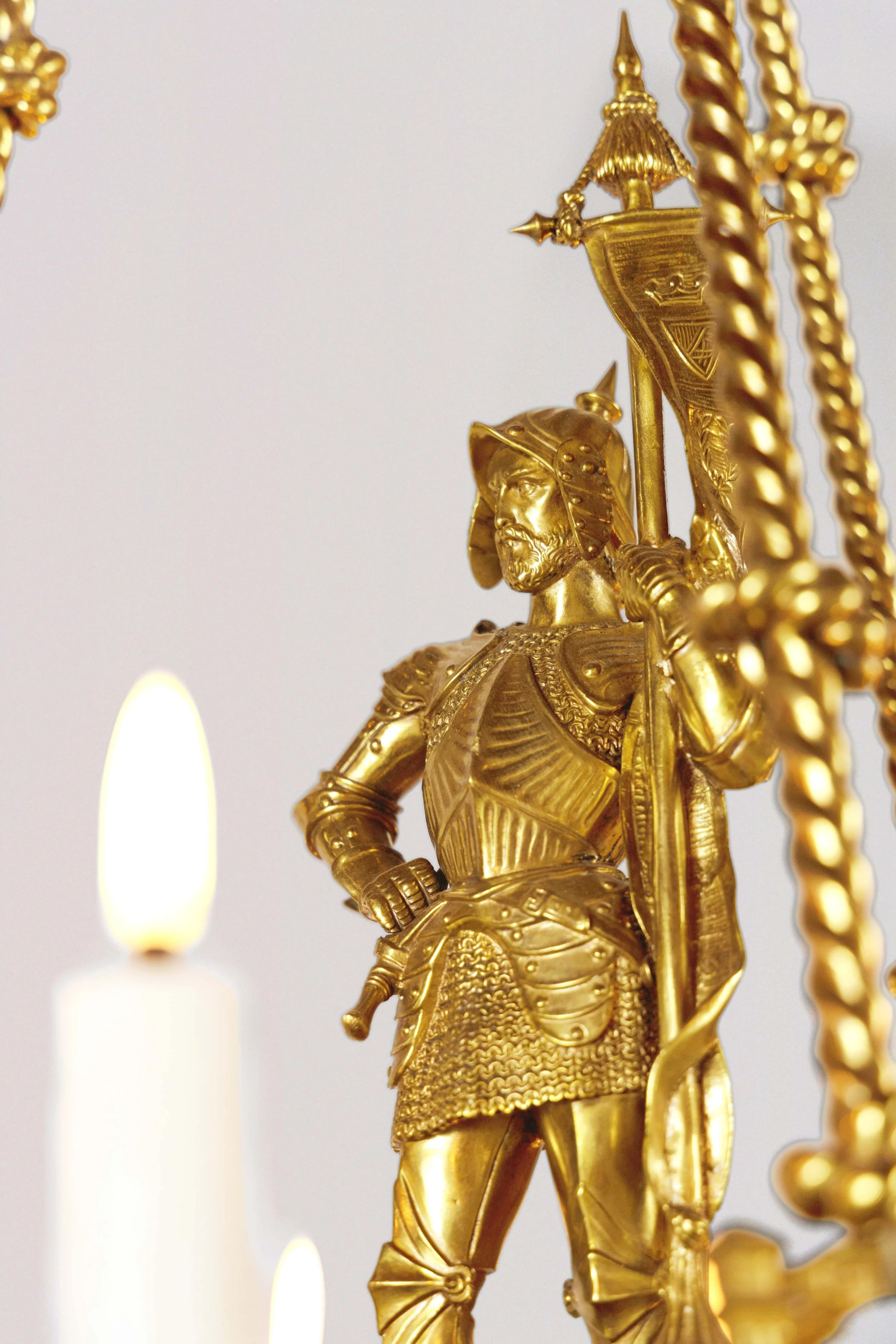
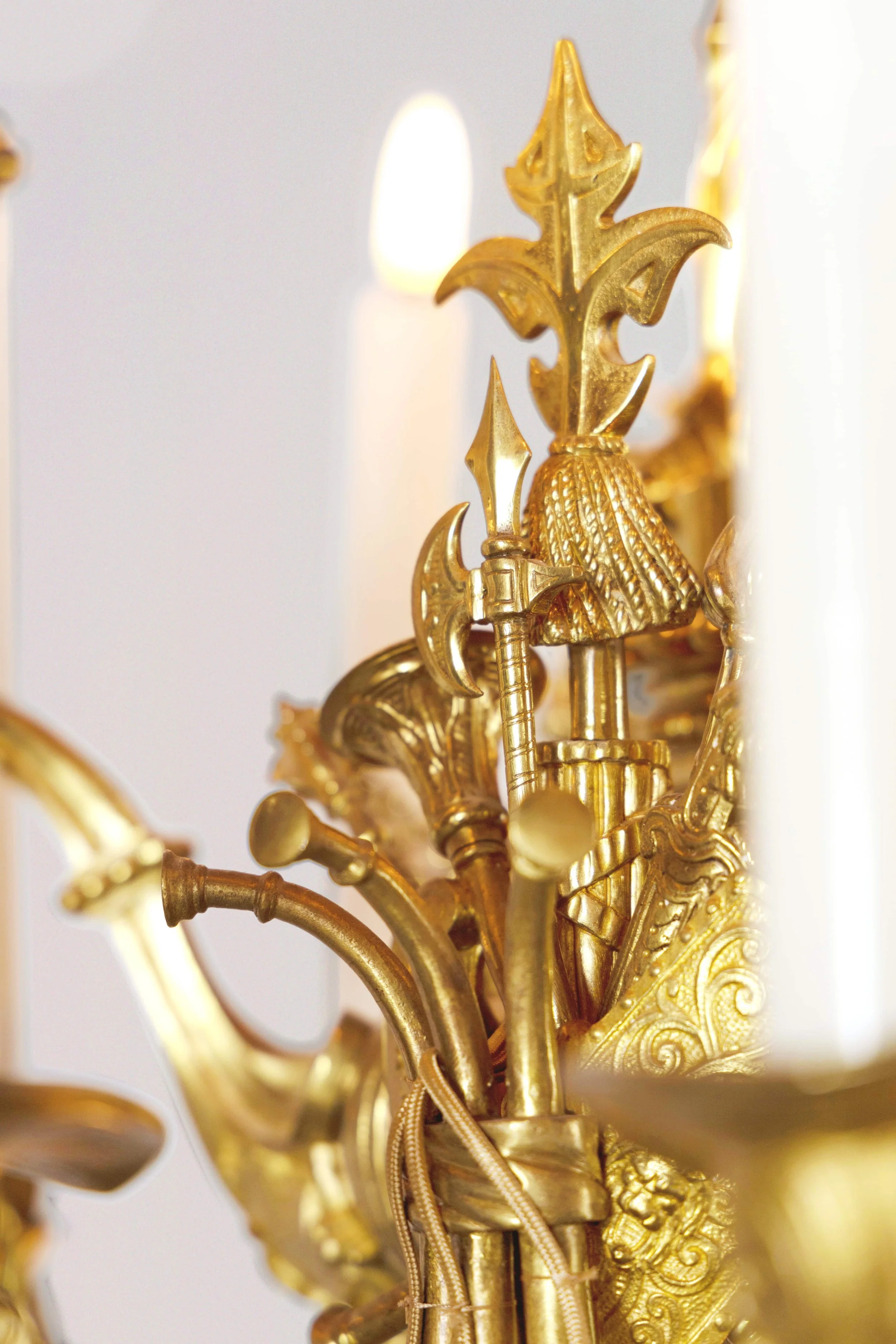
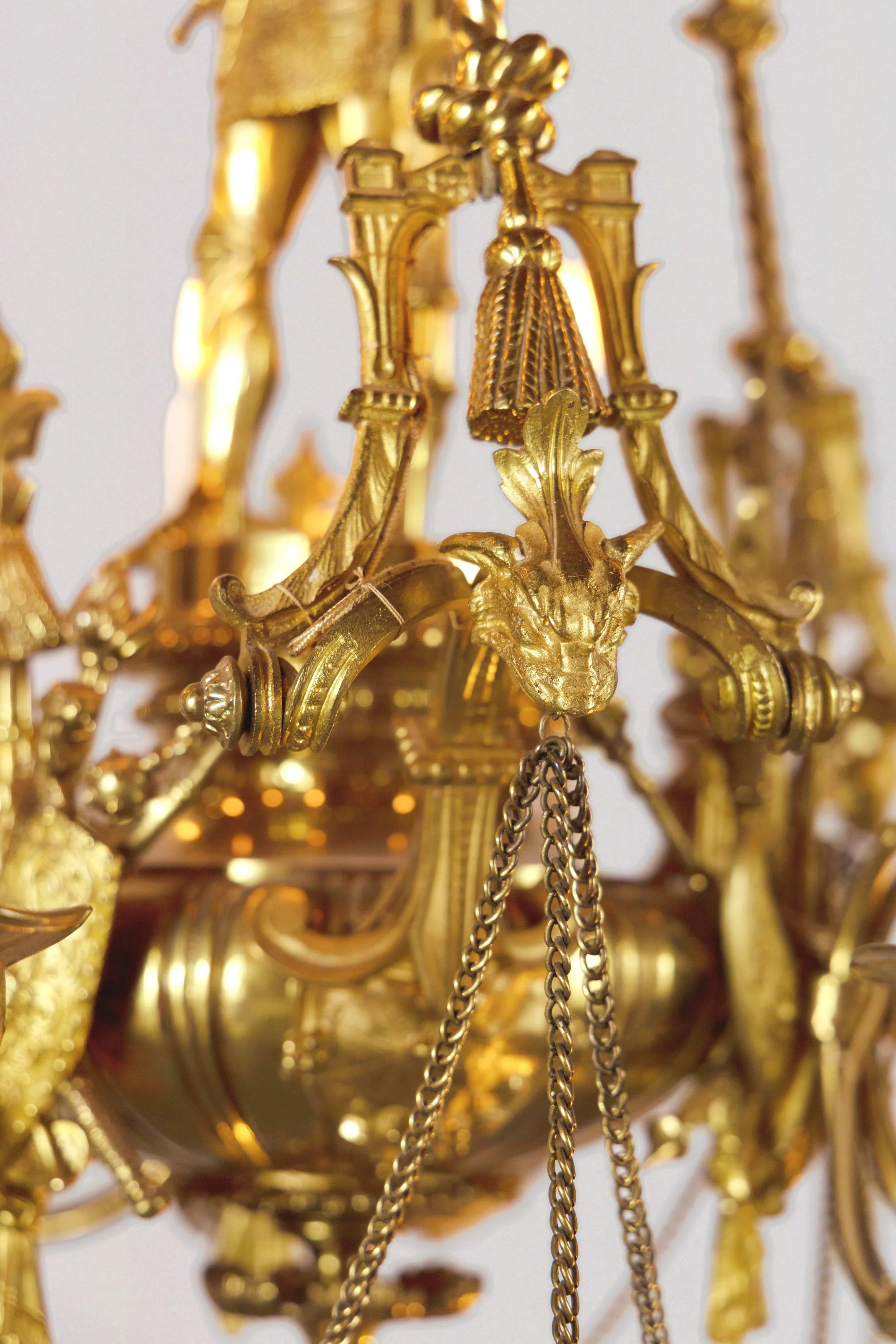
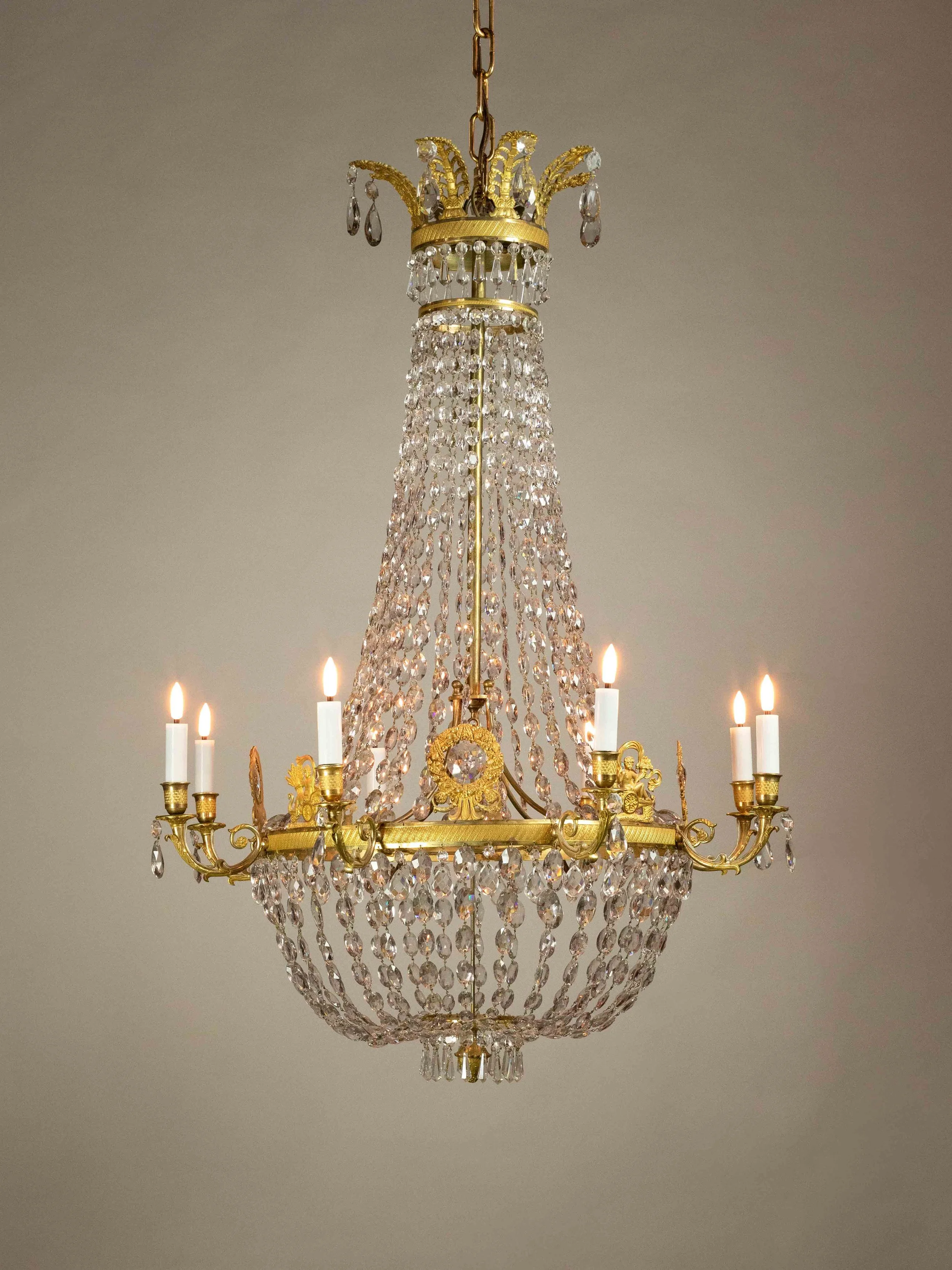
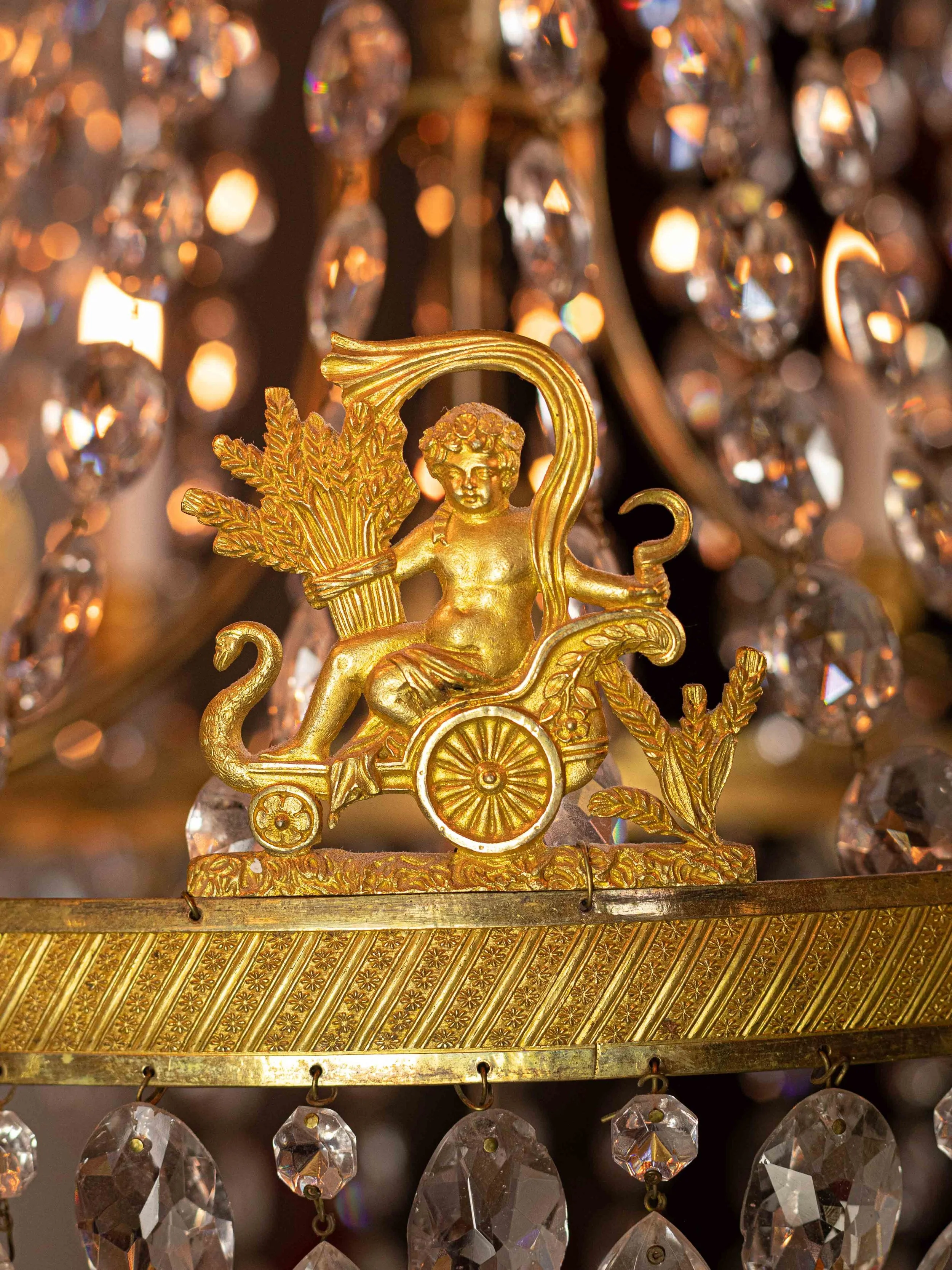
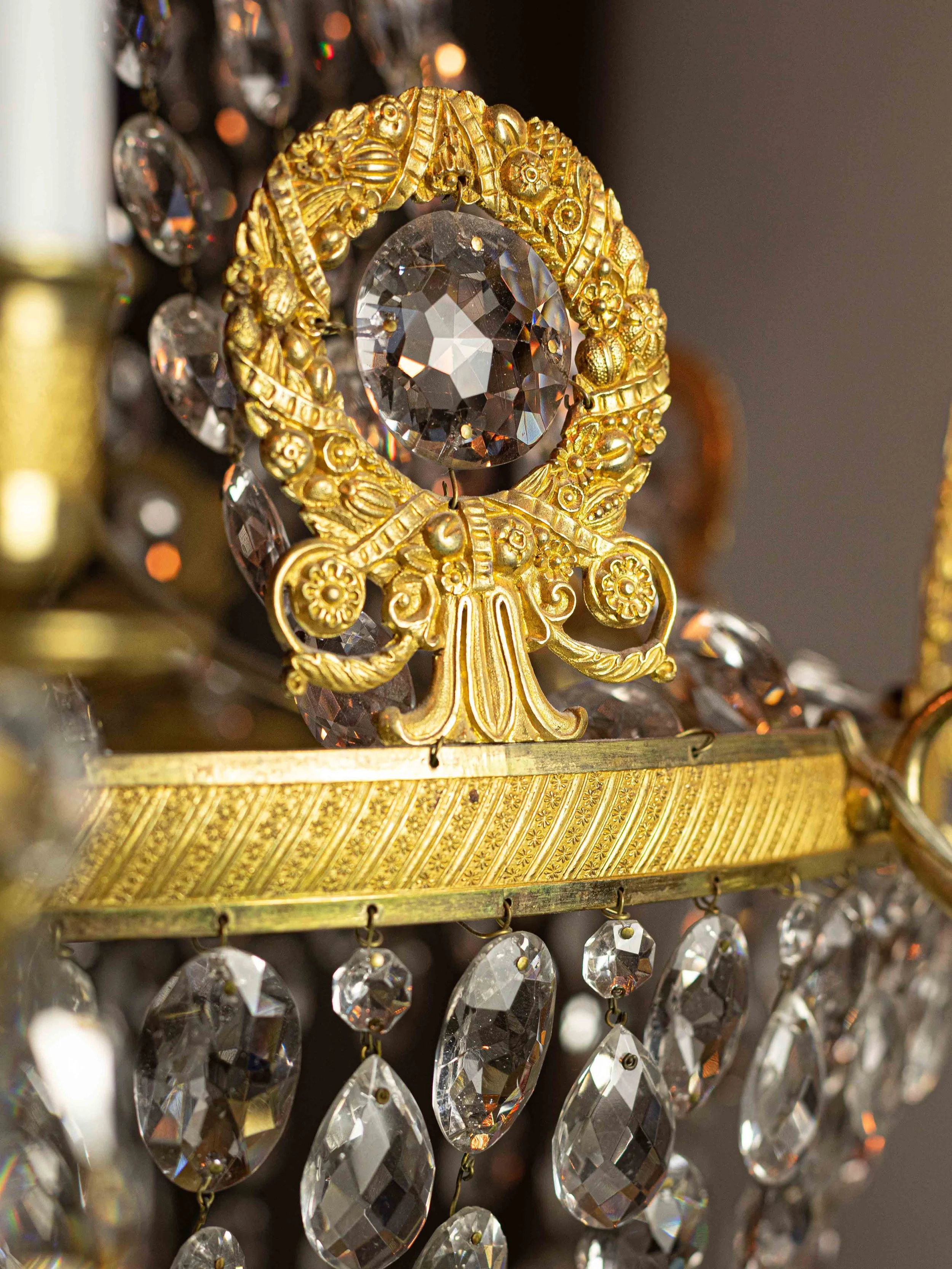
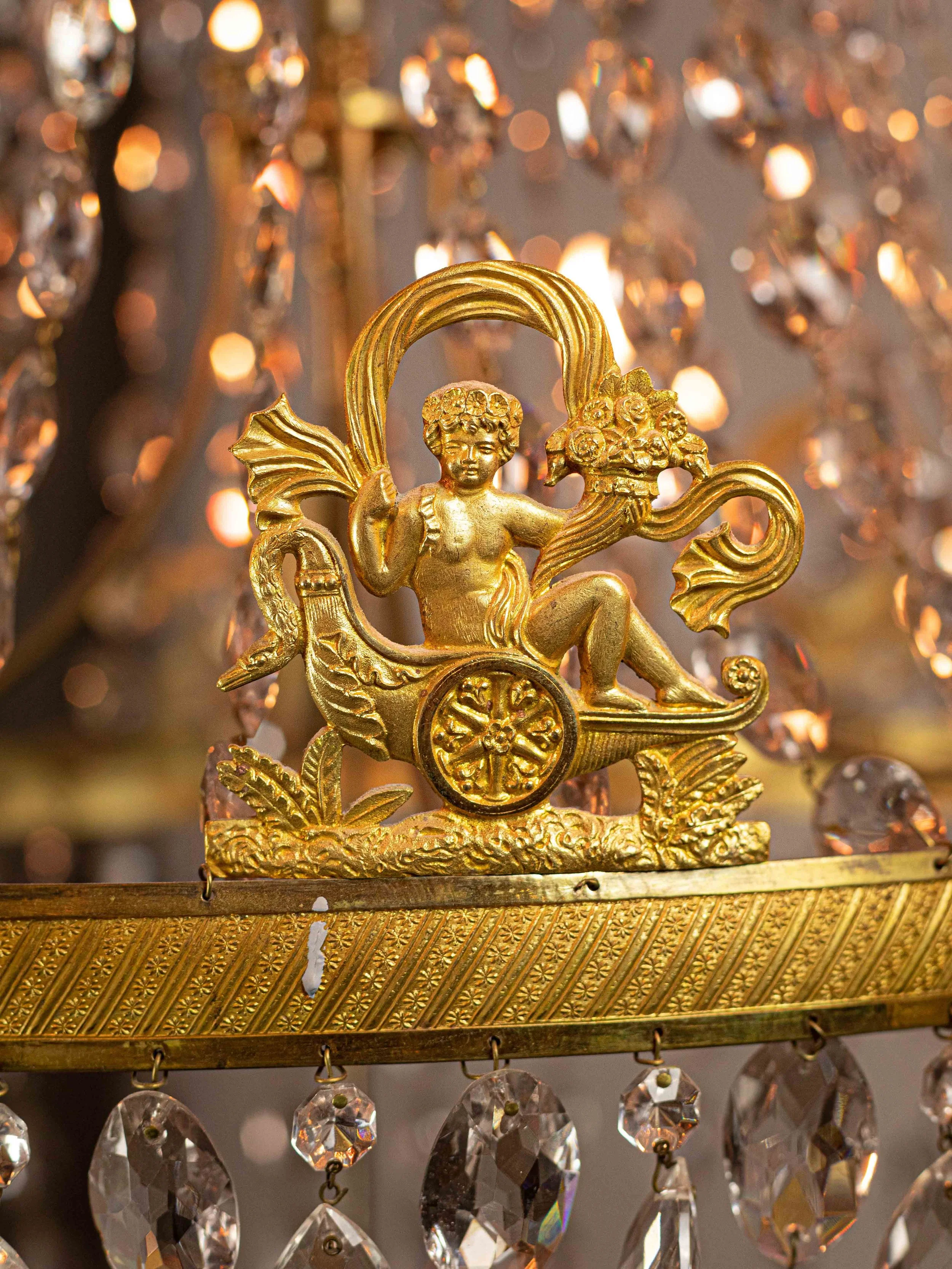
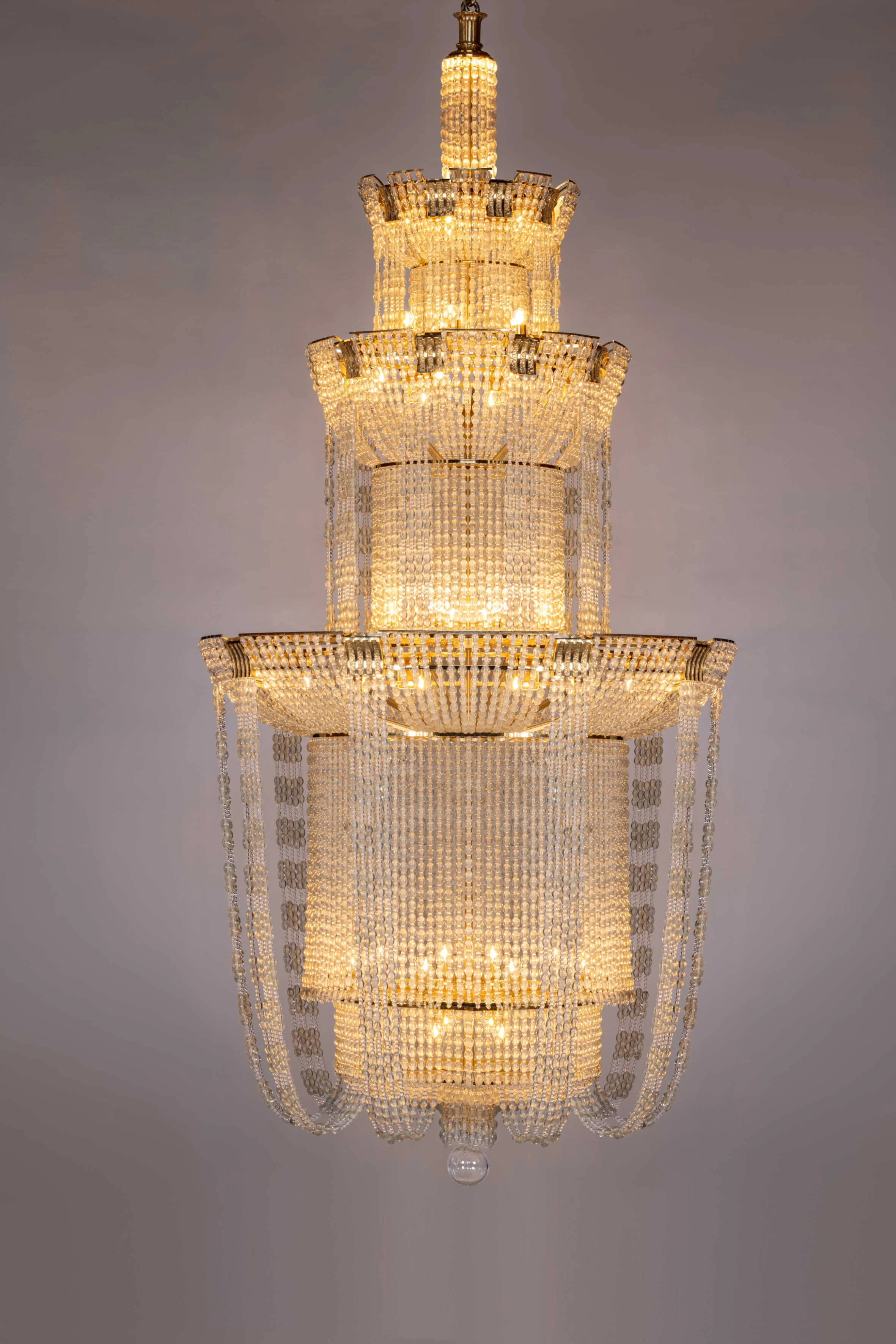
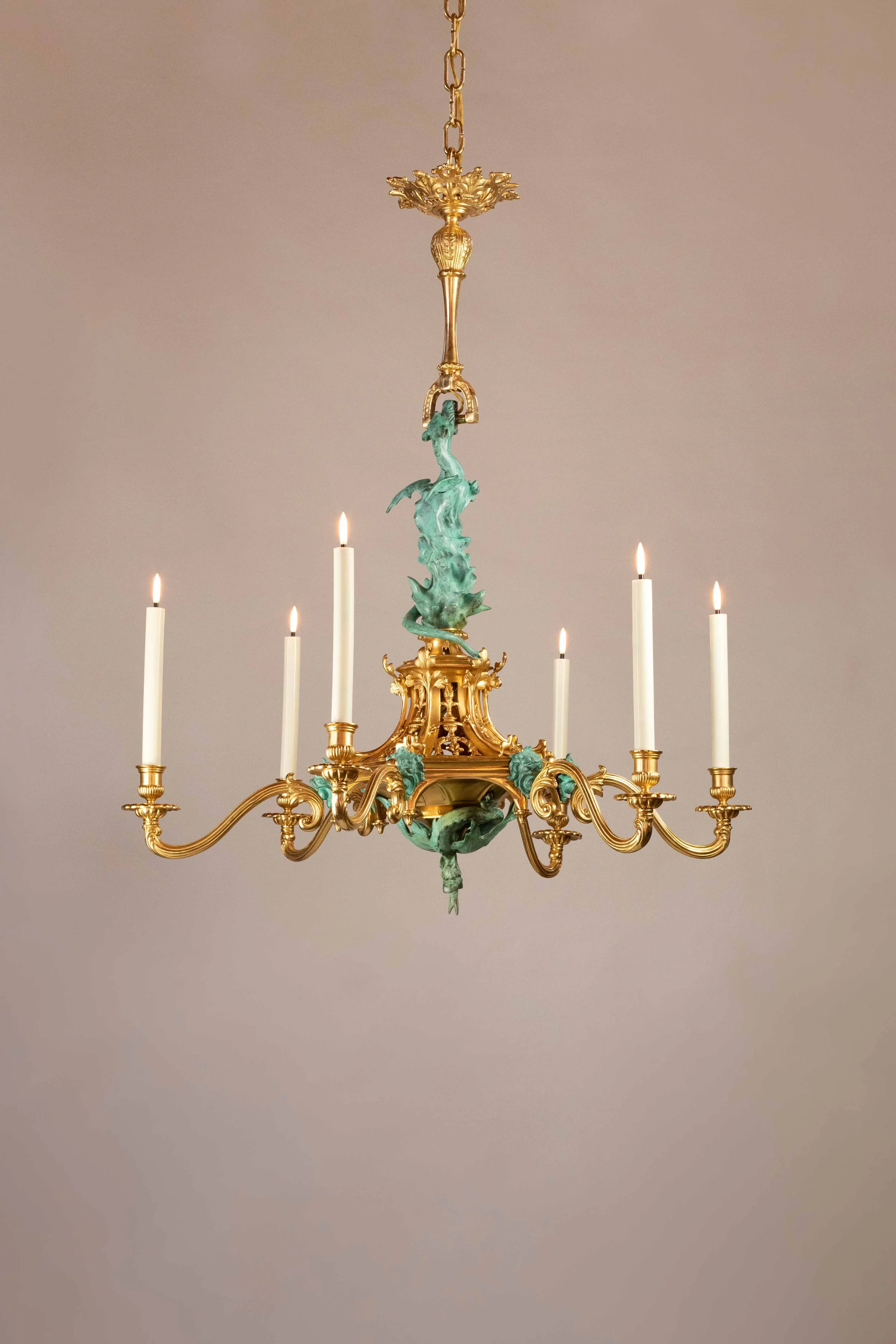
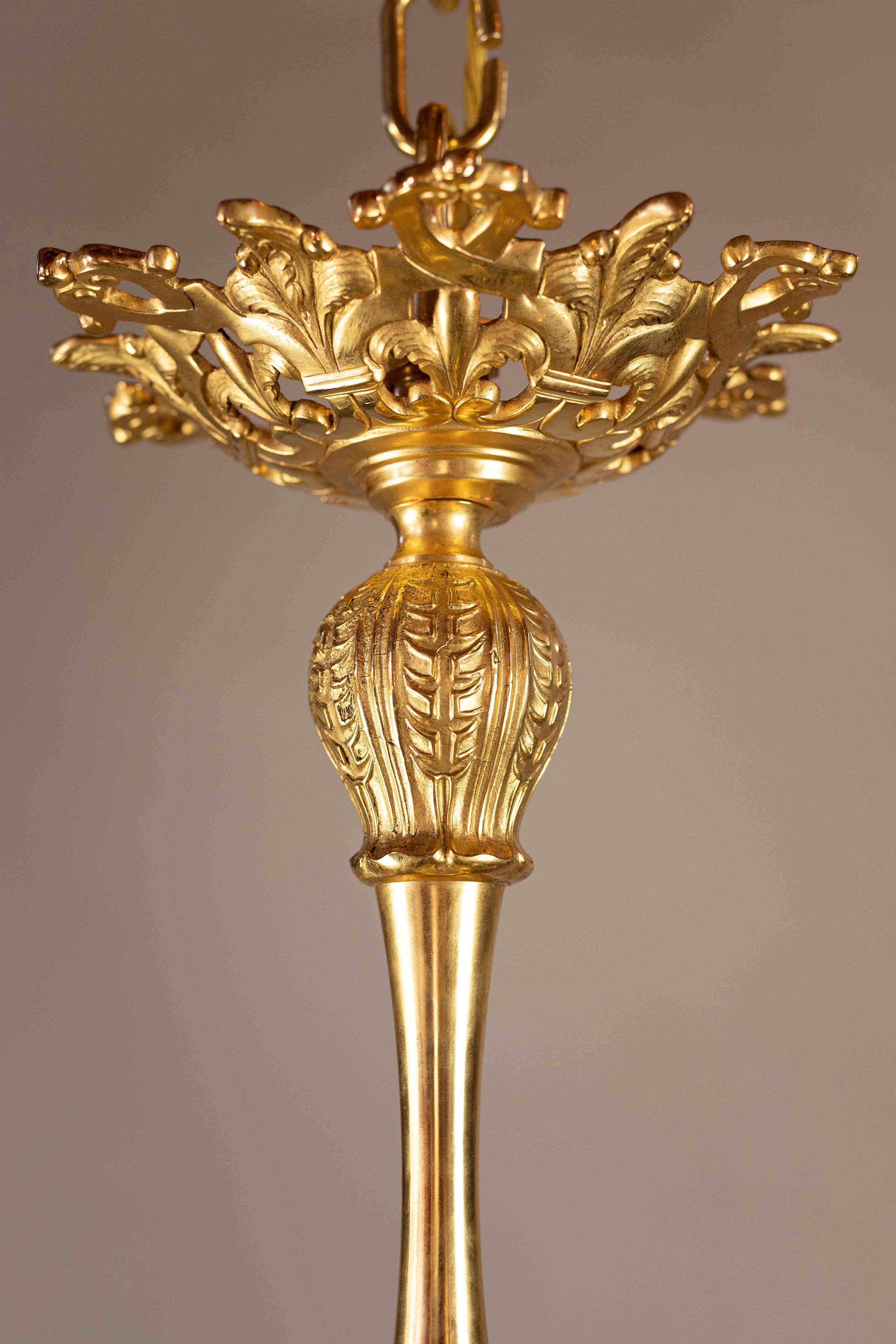
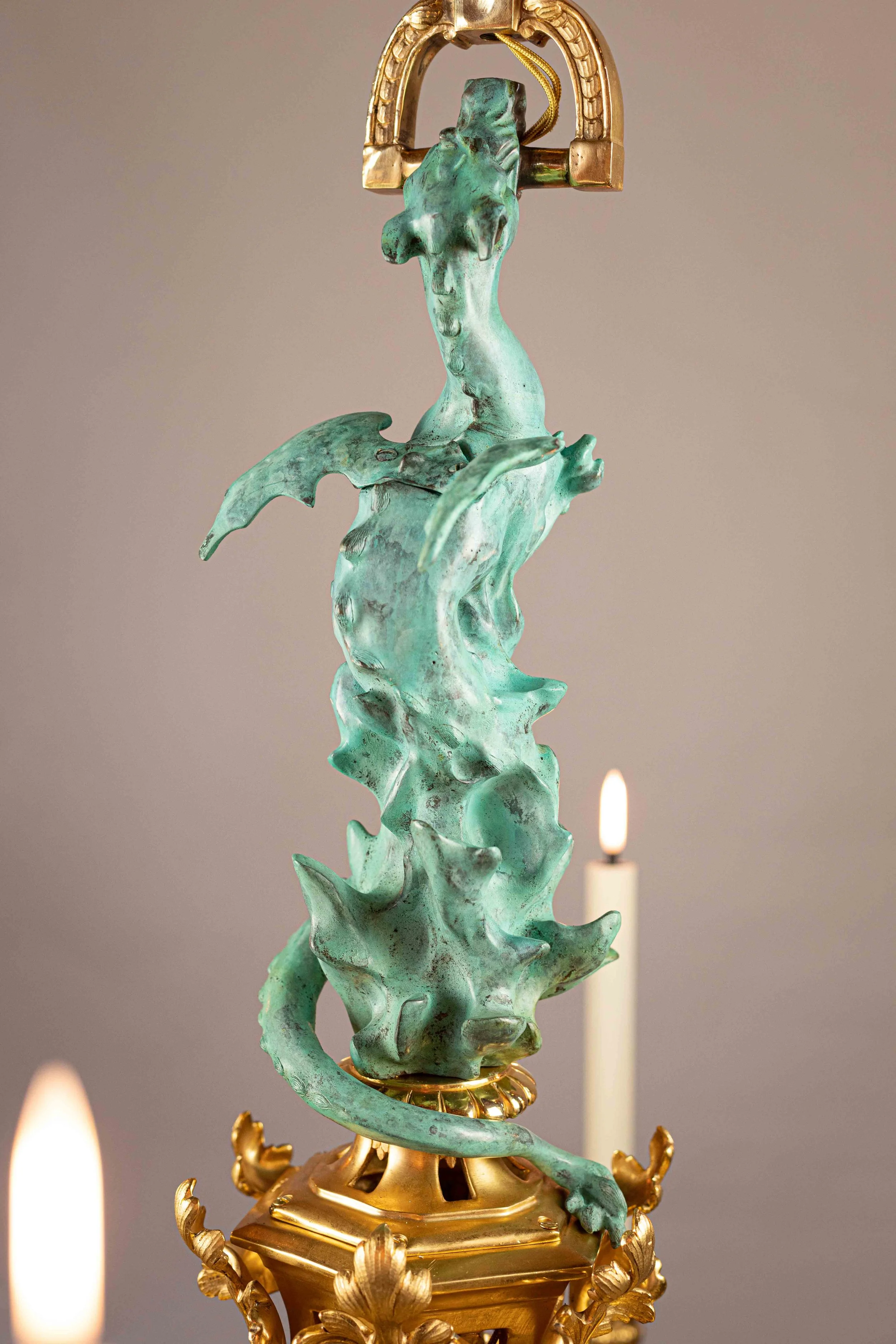
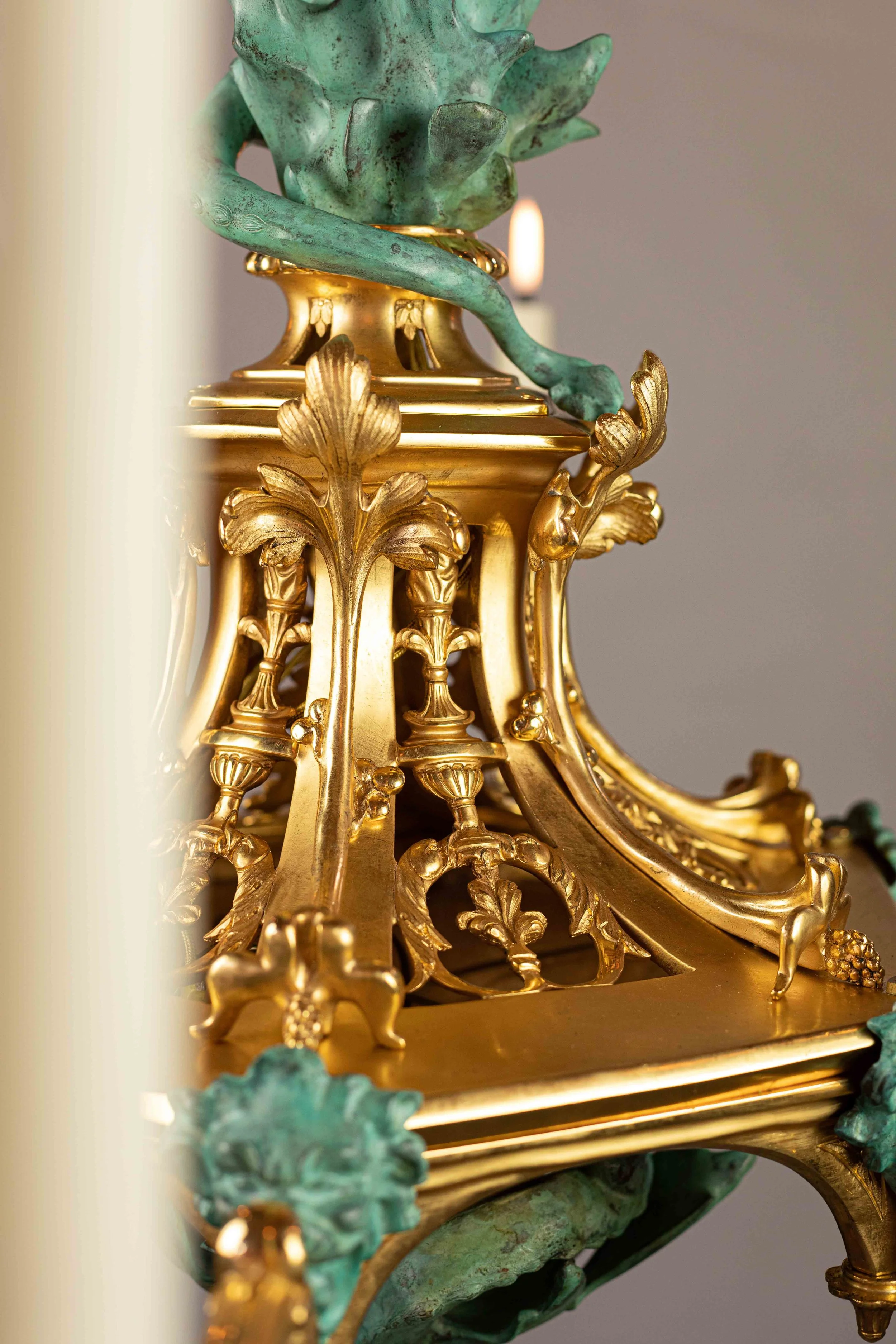
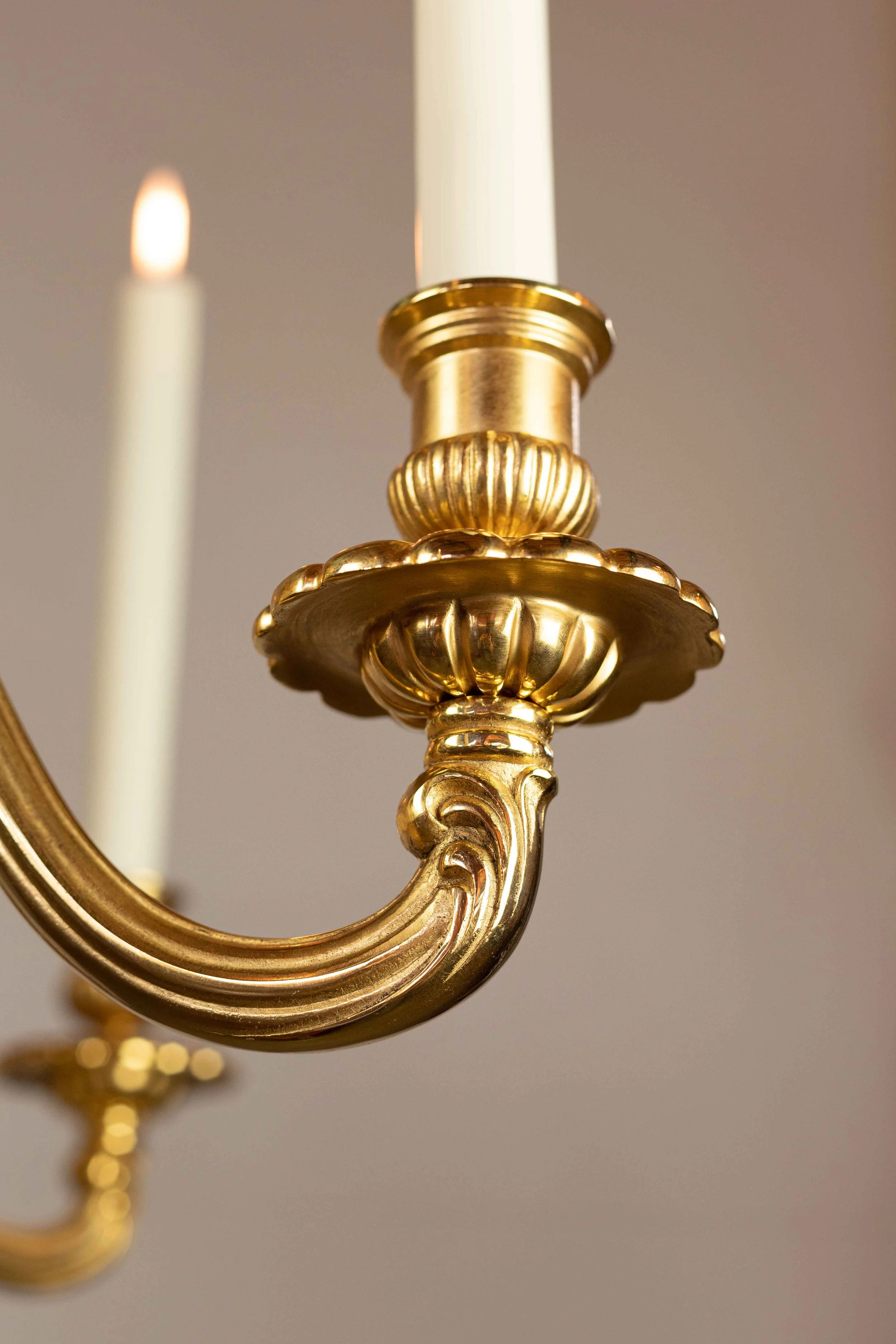
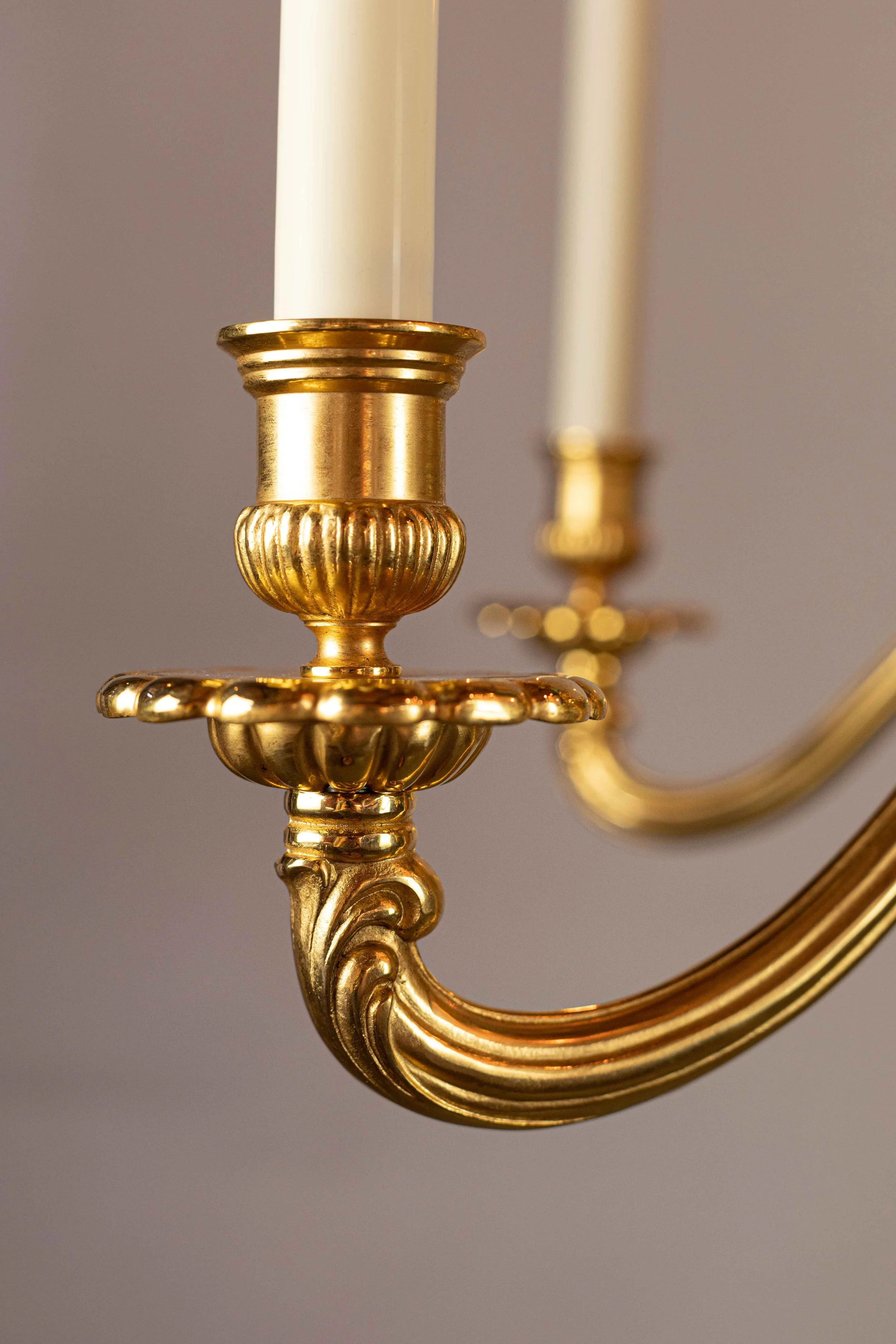
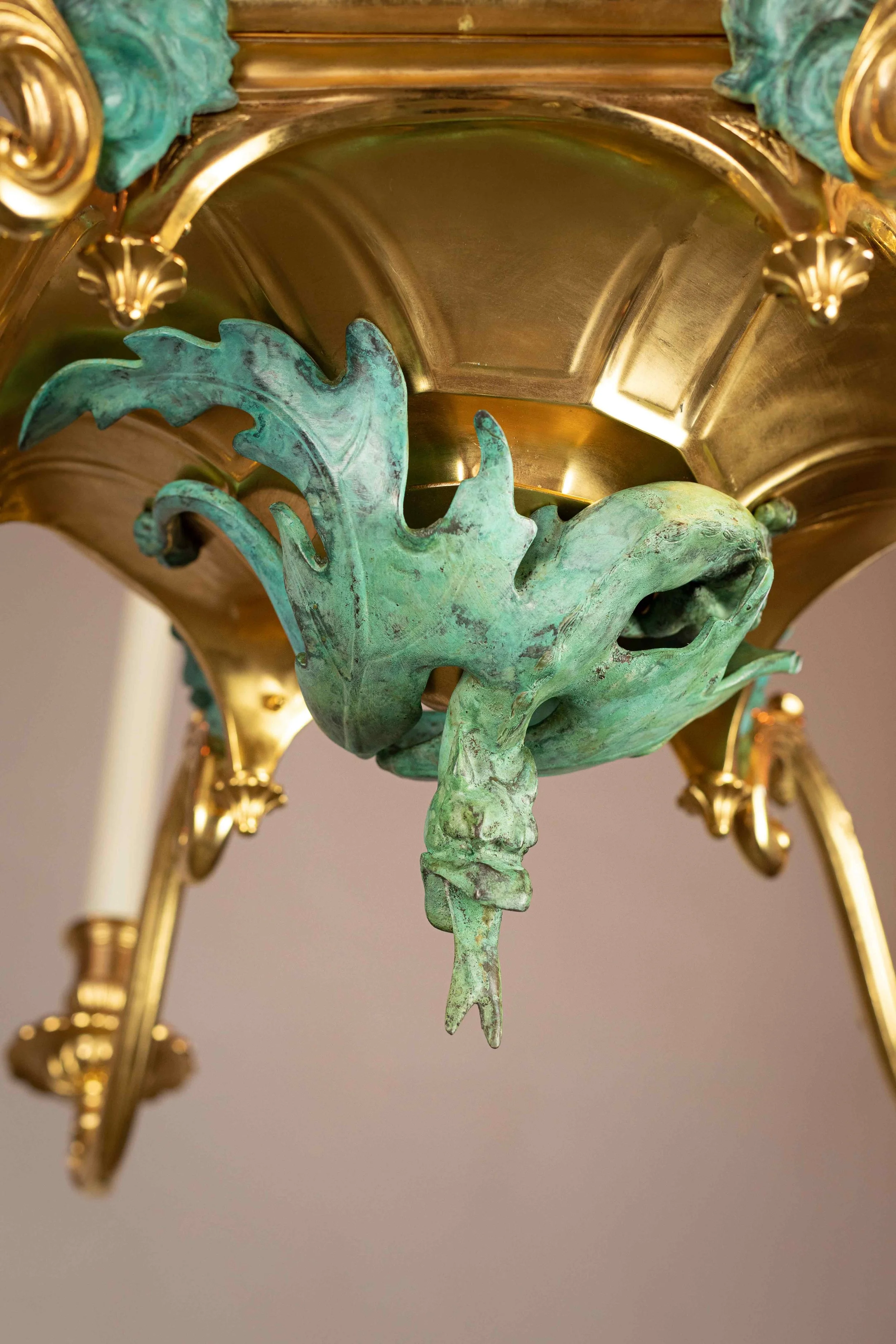
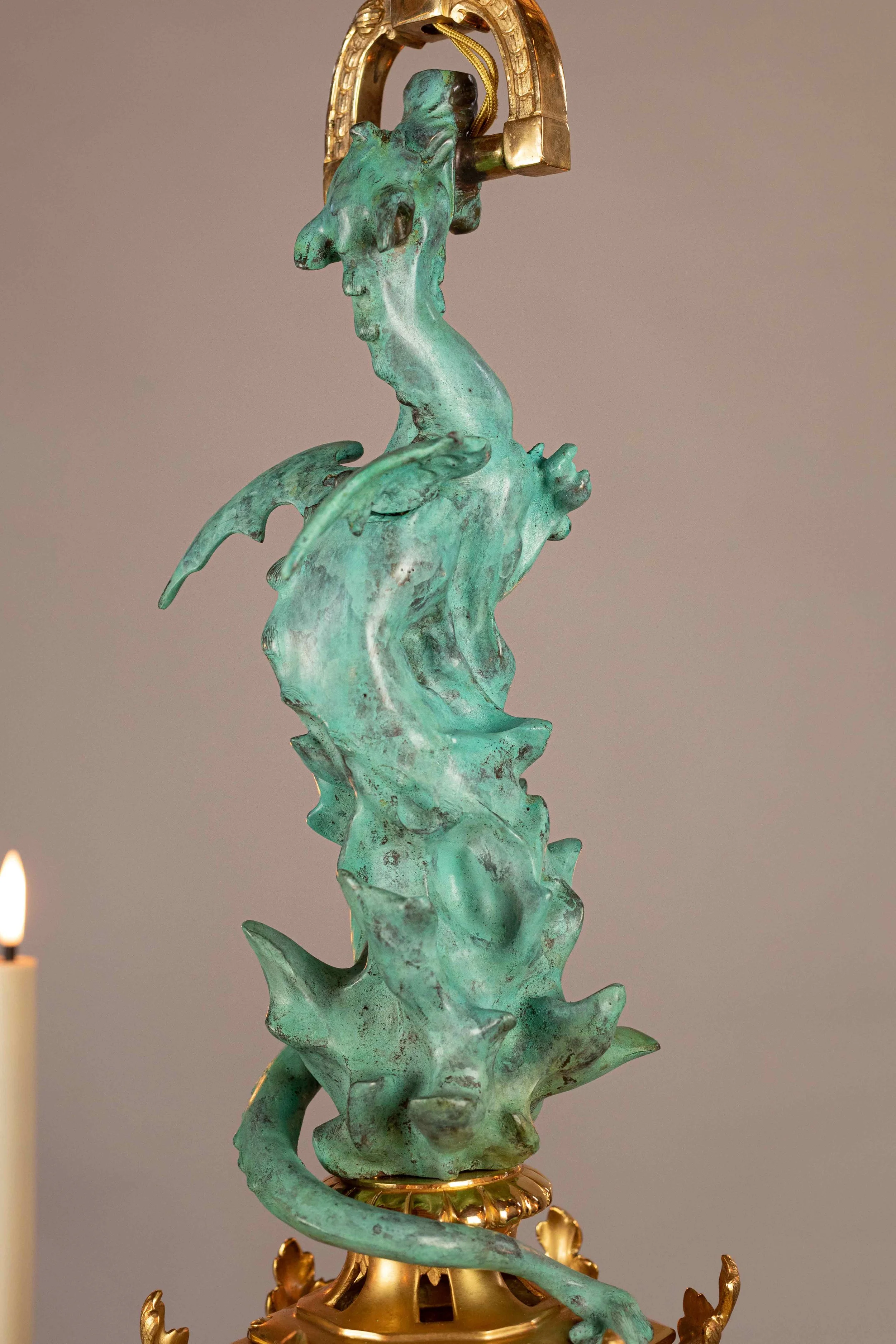
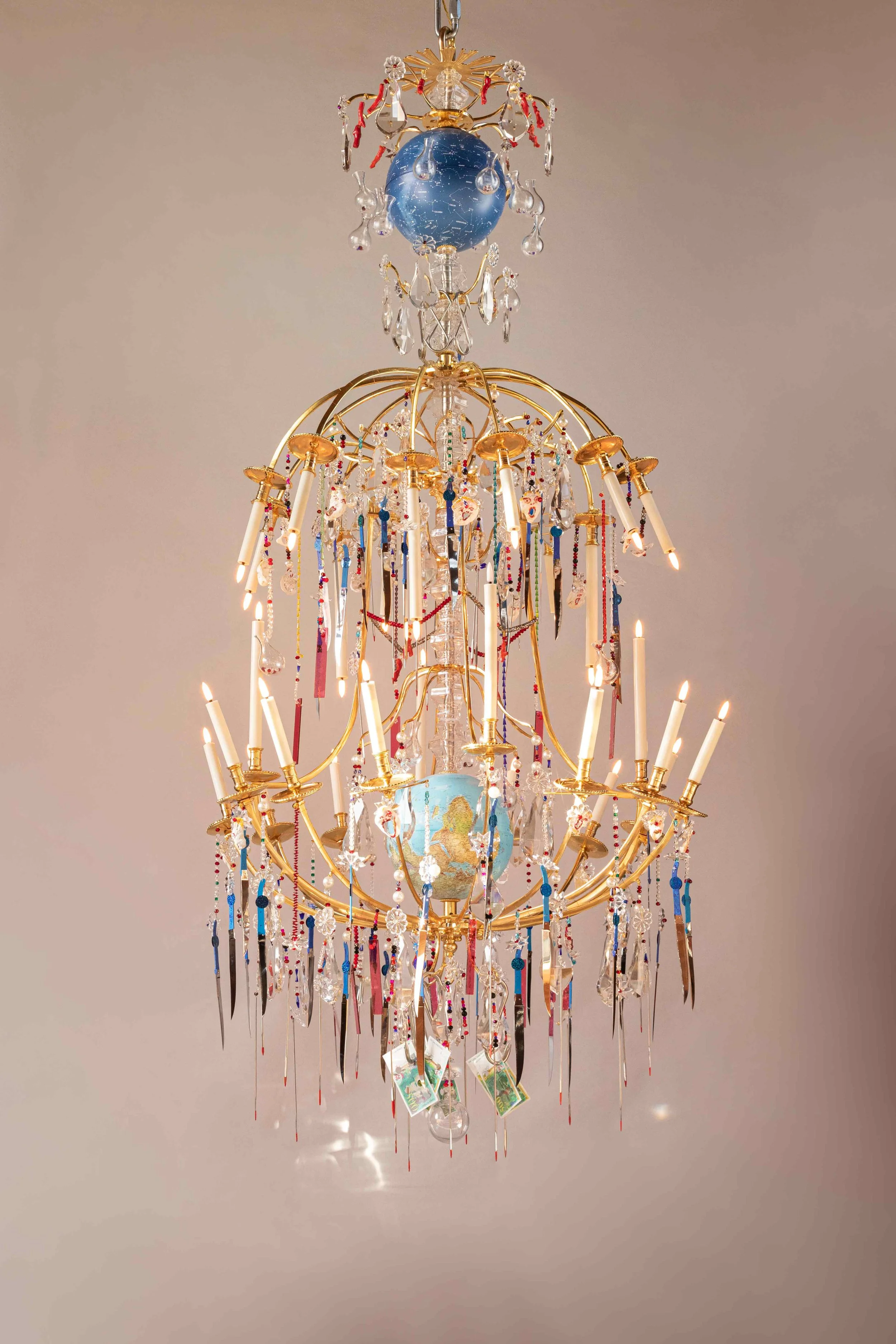
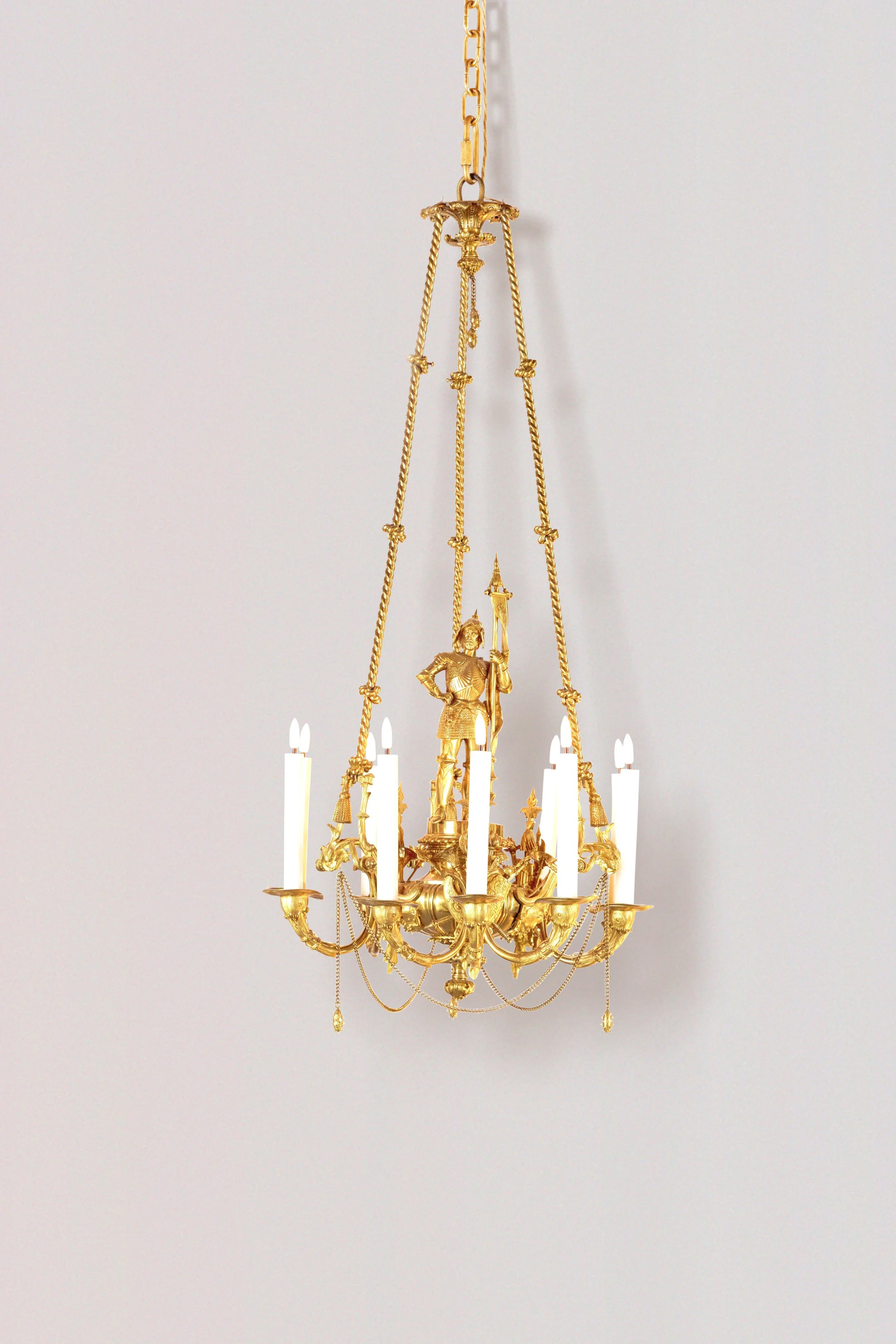
This richly ornamented chandelier, designed by Jean‑François‑Théodore Gechter, features nine arms of light adorned with chivalric weapons and trophies, encircling a central figure of an armored knight holding a war banner. The composition evokes both grandeur and narrative, transforming a functional object into a sculptural homage to medieval heroism.

Born in Paris in 1796, Gechter trained at the École des Beaux-Arts under the sculptor François Joseph Bosio and the painter Antoine‑Jean Gros. A contemporary of Antoine‑Louis Barye, he devoted himself to sculpture around 1820 and exhibited regularly at the Salon between 1824 and 1840. His first major public commission was the casting of Charles Martel, first presented in plaster at the 1833 Salon.
This chandelier exemplifies the 19th-century revival of medieval culture, often described as the “Troubadour” style. Emerging initially through the literary works of Walter Scott and later through the paintings of François Fleury‑Richard and Pierre Revoil, this movement quickly extended into the decorative arts. It reflected a broader cultural fascination with history and romanticized medieval ideals.


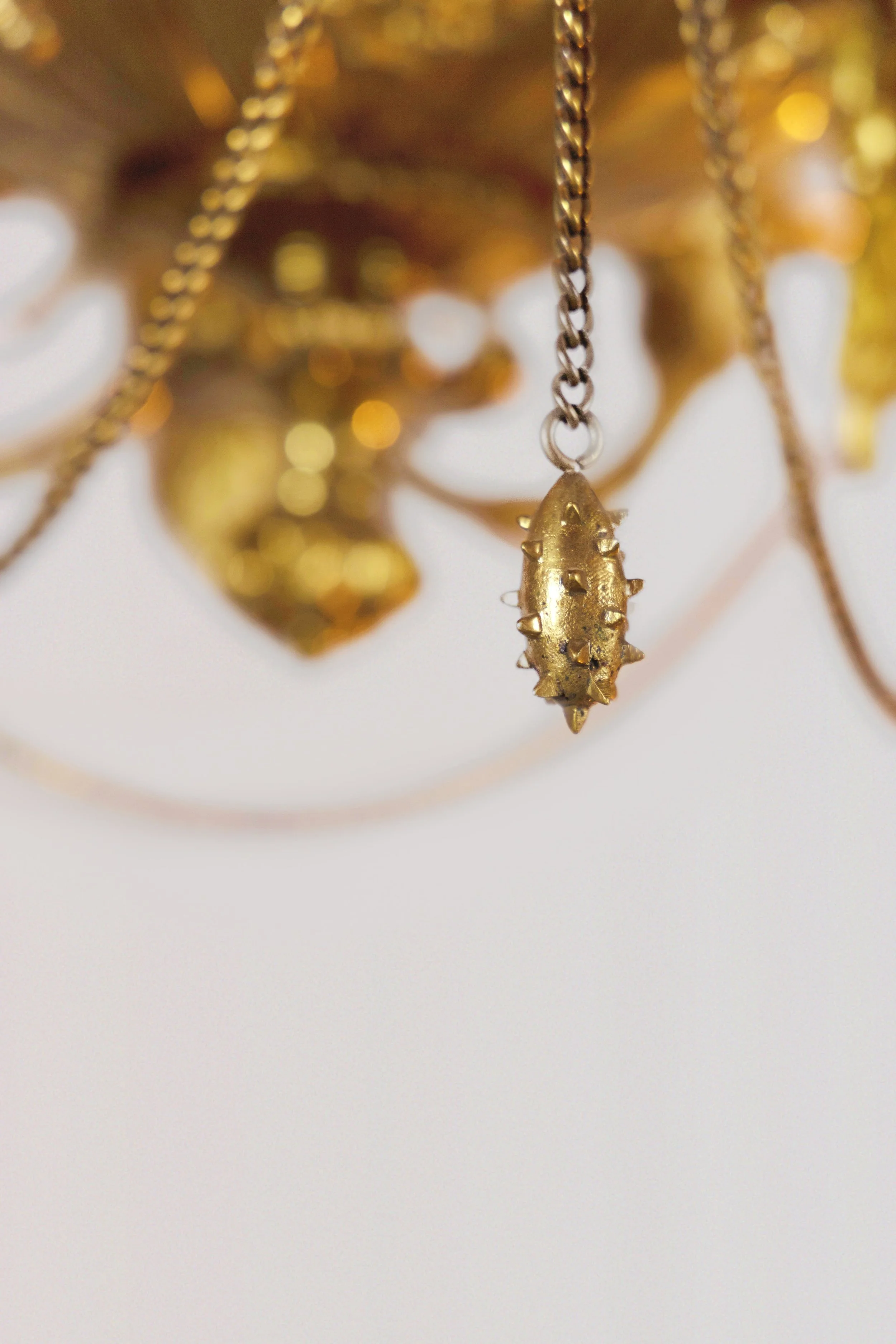
The present work illustrates this historical revival with striking clarity. The armored knight, surrounded by an array of trophies—maces, halberds, shields, clubs, torches, and trumpets—embodies both martial valor and ceremonial splendor. Its naturalistic treatment recalls the sculptural style of Emmanuel Frémiet, and invites comparison with celebrated works such as Jeanne d’Arc and Saint Michael Slaying the Dragon.

Developed during the Restoration in the early 19th century, the Troubadour style can be understood in part as a reaction against the austerity of the Empire style. It signified a renewed interest in medieval imagery following the upheavals of the French Revolution, while also drawing clear influence from the English Gothic Revival of the late 18th century. As such, scholars often regard Troubadour aesthetics as a key expression of Romanticism, blending historical imagination with artistic craftsmanship.

Height

115 cm

Diameter

55 cm

This richly ornamented chandelier, designed by Jean‑François‑Théodore Gechter, features nine arms of light adorned with chivalric weapons and trophies, encircling a central figure of an armored knight holding a war banner. The composition evokes both grandeur and narrative, transforming a functional object into a sculptural homage to medieval heroism.

Born in Paris in 1796, Gechter trained at the École des Beaux-Arts under the sculptor François Joseph Bosio and the painter Antoine‑Jean Gros. A contemporary of Antoine‑Louis Barye, he devoted himself to sculpture around 1820 and exhibited regularly at the Salon between 1824 and 1840. His first major public commission was the casting of Charles Martel, first presented in plaster at the 1833 Salon.

This chandelier exemplifies the 19th-century revival of medieval culture, often described as the “Troubadour” style. Emerging initially through the literary works of Walter Scott and later through the paintings of François Fleury‑Richard and Pierre Revoil, this movement quickly extended into the decorative arts. It reflected a broader cultural fascination with history and romanticized medieval ideals.

The present work illustrates this historical revival with striking clarity. The armored knight, surrounded by an array of trophies—maces, halberds, shields, clubs, torches, and trumpets—embodies both martial valor and ceremonial splendor. Its naturalistic treatment recalls the sculptural style of Emmanuel Frémiet, and invites comparison with celebrated works such as Jeanne d’Arc and Saint Michael Slaying the Dragon.

Developed during the Restoration in the early 19th century, the Troubadour style can be understood in part as a reaction against the austerity of the Empire style. It signified a renewed interest in medieval imagery following the upheavals of the French Revolution, while also drawing clear influence from the English Gothic Revival of the late 18th century. As such, scholars often regard Troubadour aesthetics as a key expression of Romanticism, blending historical imagination with artistic craftsmanship.

About the designer

Recognised for their rare skills (EPV France) in restoring, re-editing and designing chandeliers using techniques from the 17th-20th centuries; Mathieu Lustrerie have been continually appointed by royal households and historic monuments to offer expert advice and restore and faithfully re-edit some of the world’s most celebrated projects. In addition to being an avid collector, Regis Mathieu has created contemporary collections adorned with rock crystal and semi precious stones, utilising the same cast bronze, hand chiseling and gilding techniques that were employed in the 17th and 18th centuries.

Founded in 1948 by Henri Mathieu in the Chutes-Lavie district of Marseille, the Mathieu Lustrerie Atelier has always associated its name with the art of the light. A family business in Provence. Henri Mathieu created a collection of lighting in 1970s of brushed aluminium blades, treating lights as sculpture. 

After Henri’s untimely death in 1982 the workshop was run by his wife Yvette. Then in early 1990 their son, Regis Mathieu assumed the helm. Fascinated by beautiful things since childhood, he immediately understands that his future is linked to history. He expanded sales to the United States and the Middle East, bringing the French style to a prestigious clientele. 

Régis Mathieu's exceptional collection of over 1000 chandeliers are showcased in both the Mathieu Museum in the Luberon and the Régis Mathieu Gallery in Paris. The objects of light are always presented alongside works of art, inviting you to take a walk through time from the 15th century to modern day.

The lighting of historic monuments, museums, and venerable homes often suffers from the scars of time, revolution or the reversal of fortune. The Mathieu Lustrerie atelier is capable of authentically re-fabricating exactly, any light fixture to the specification of the archives, drawings or photos.