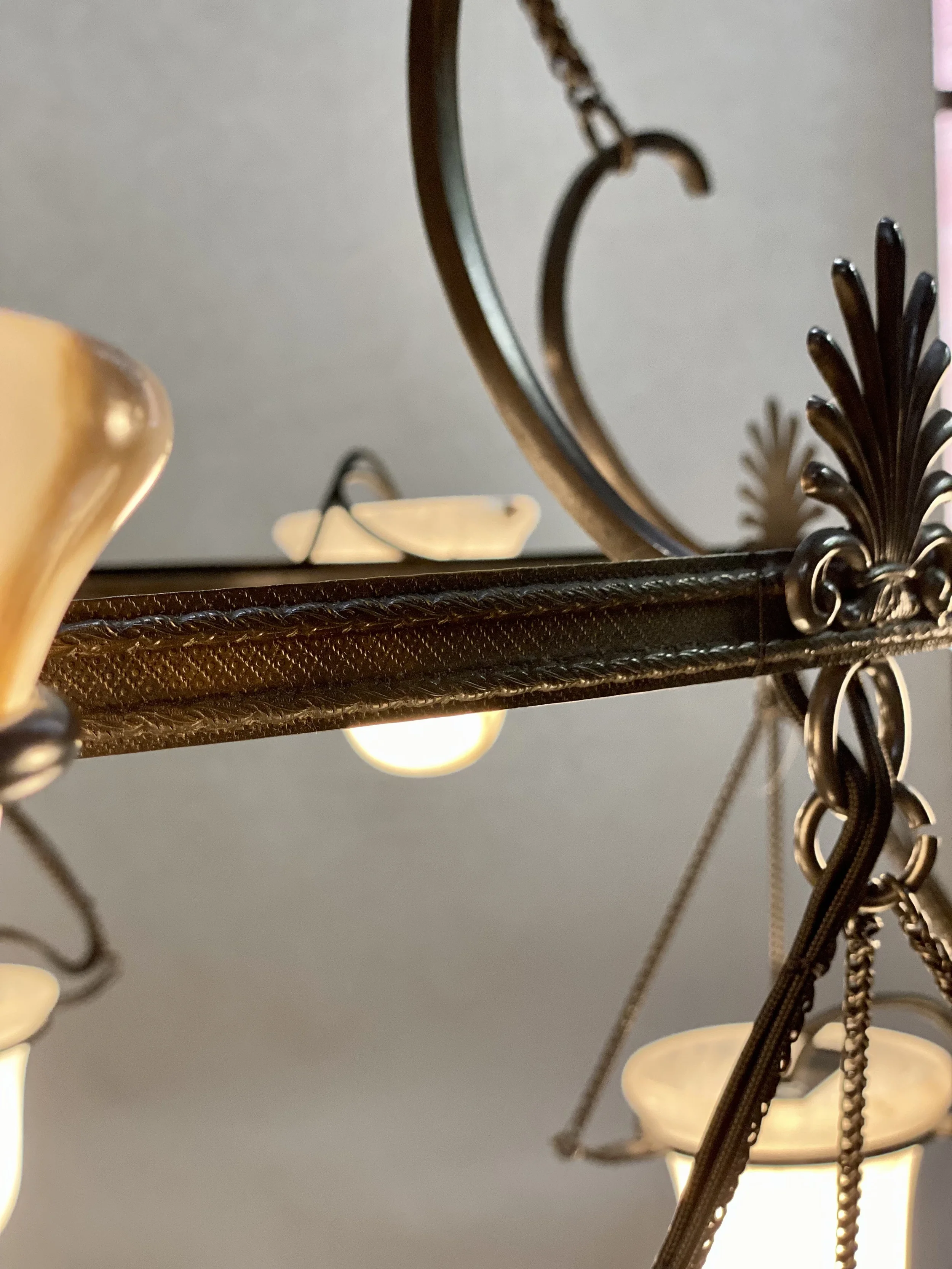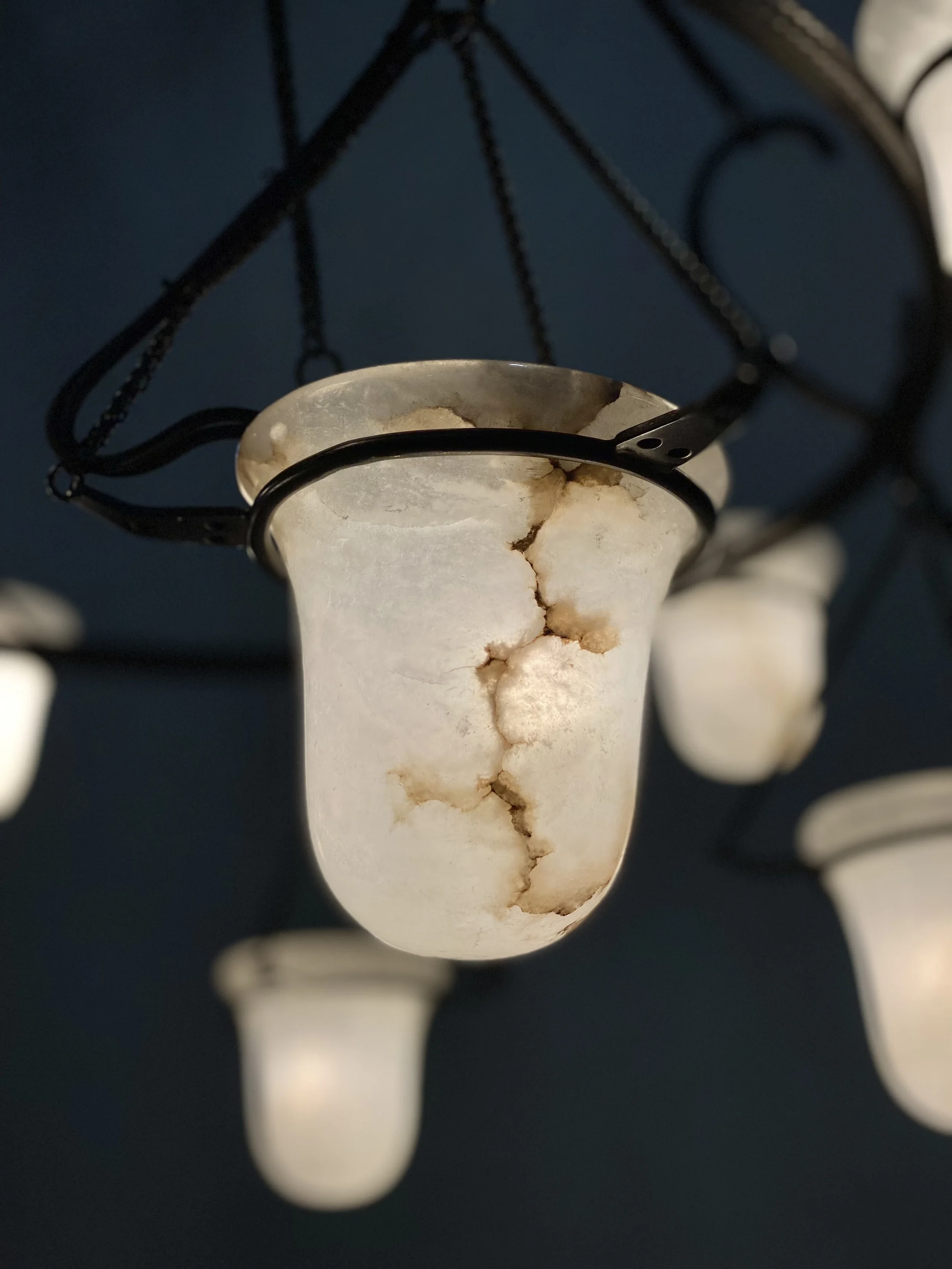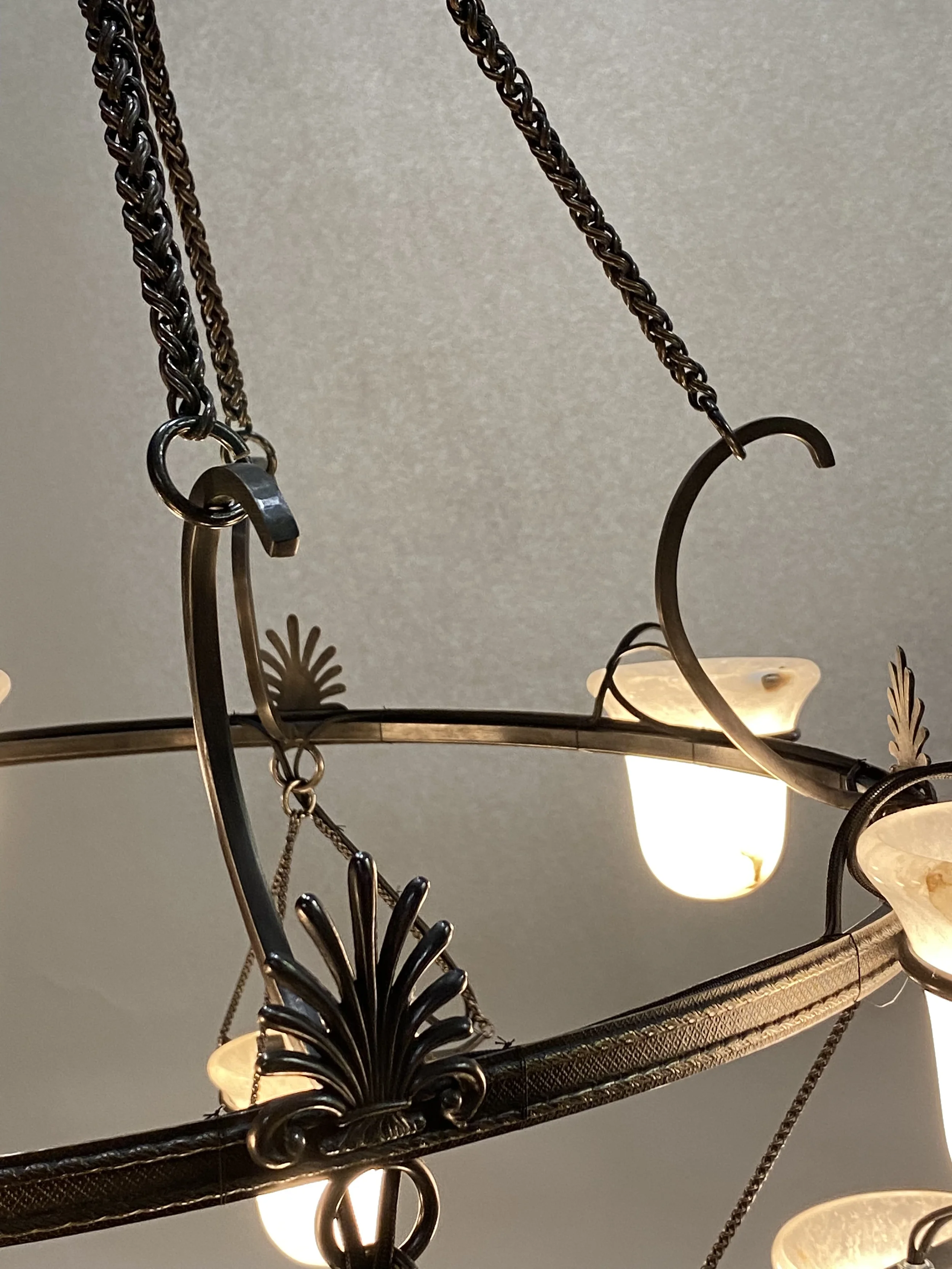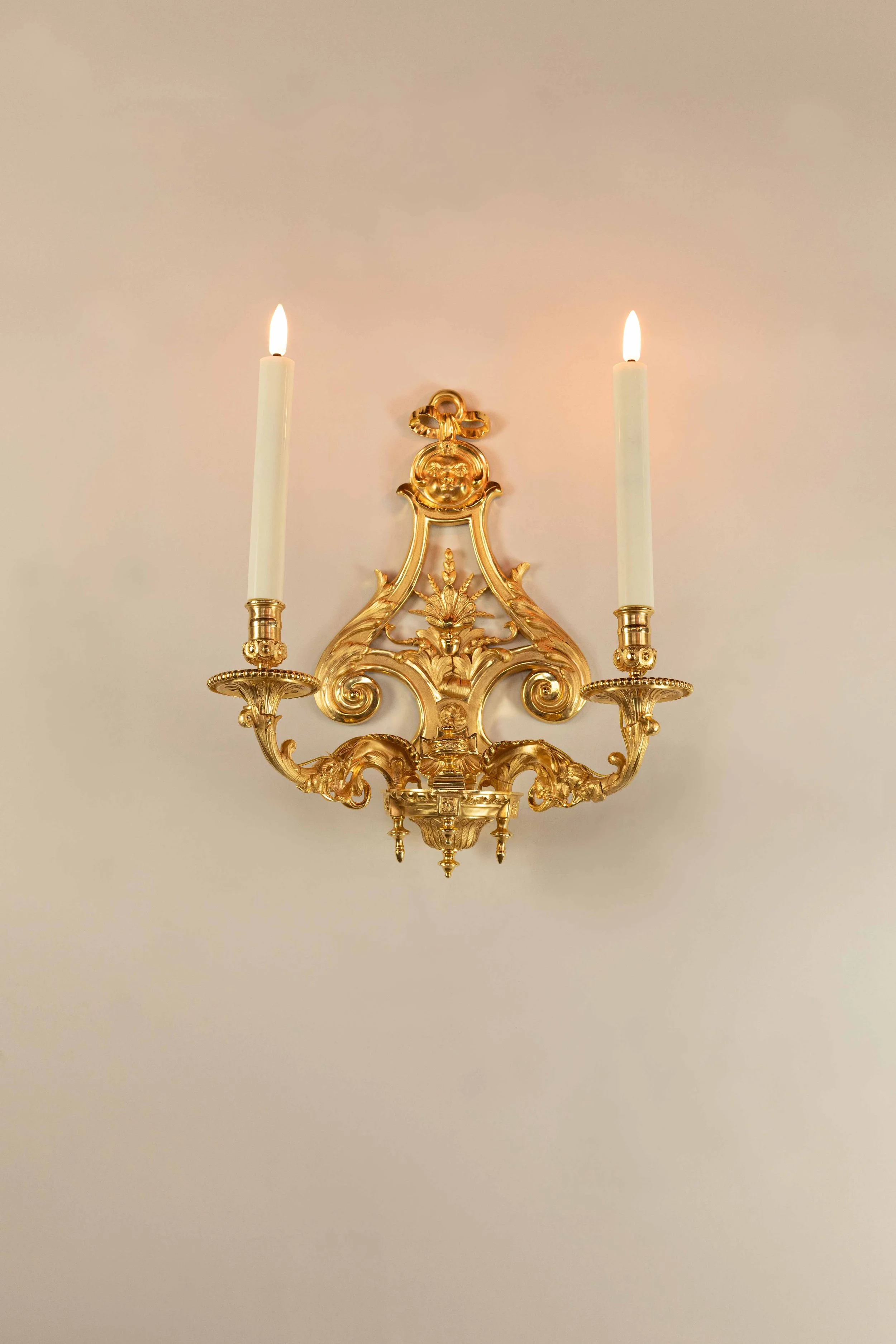
MATHIEU LUSTRERIE | 18th Century Cage Chandelier

£12,076.87

Height: 130cm
Width: 80cm

Here is a refined and more elegant version of your text:

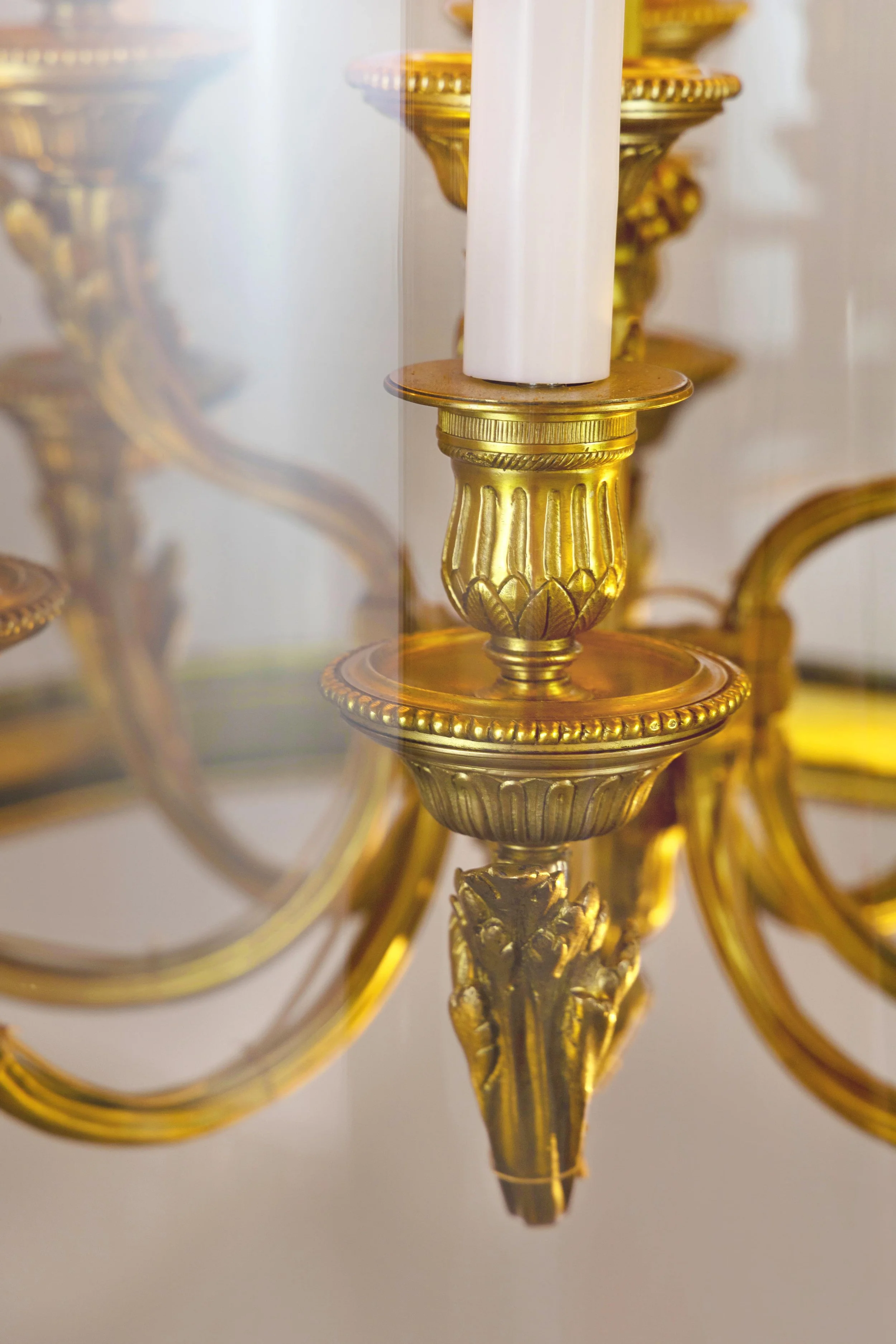
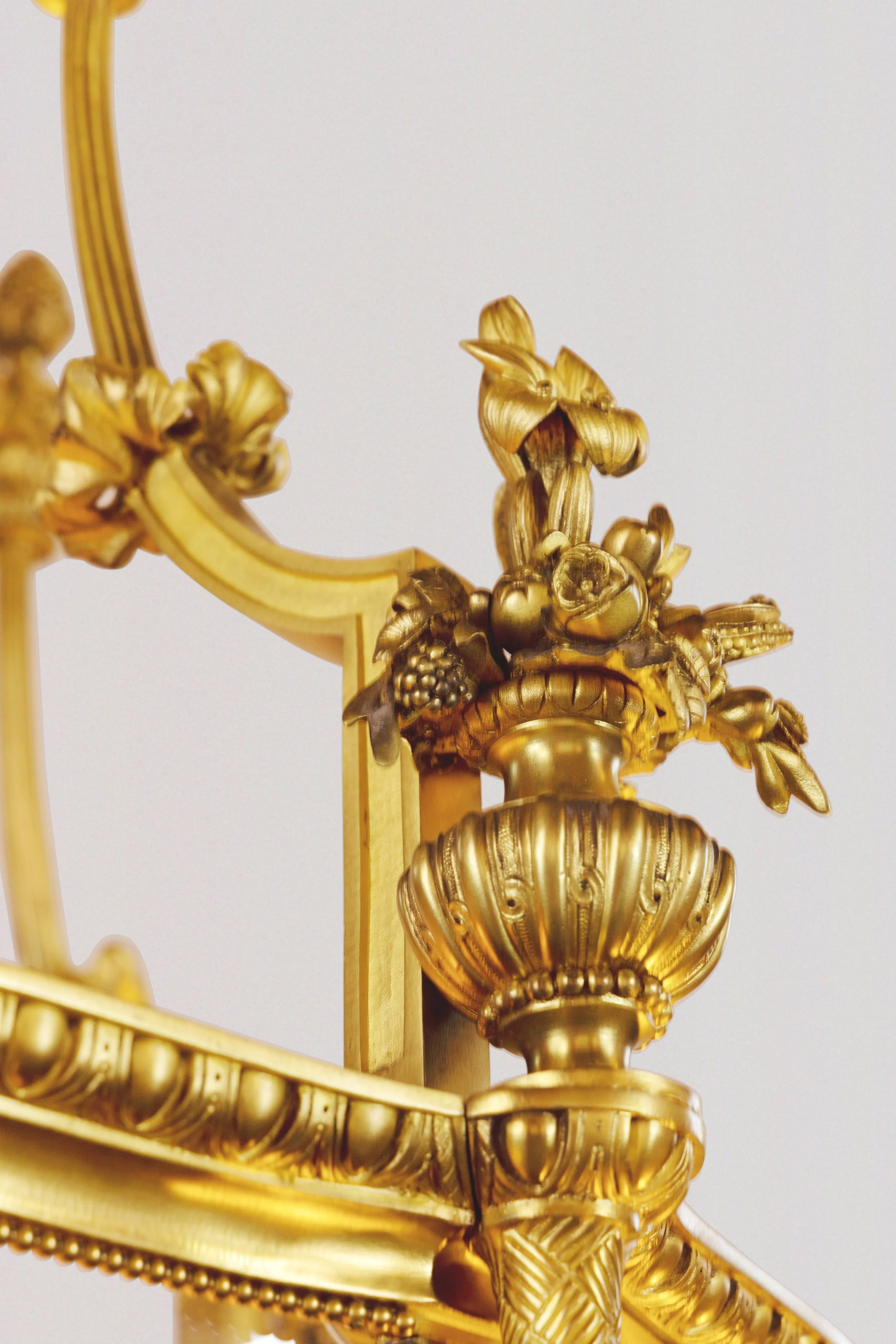
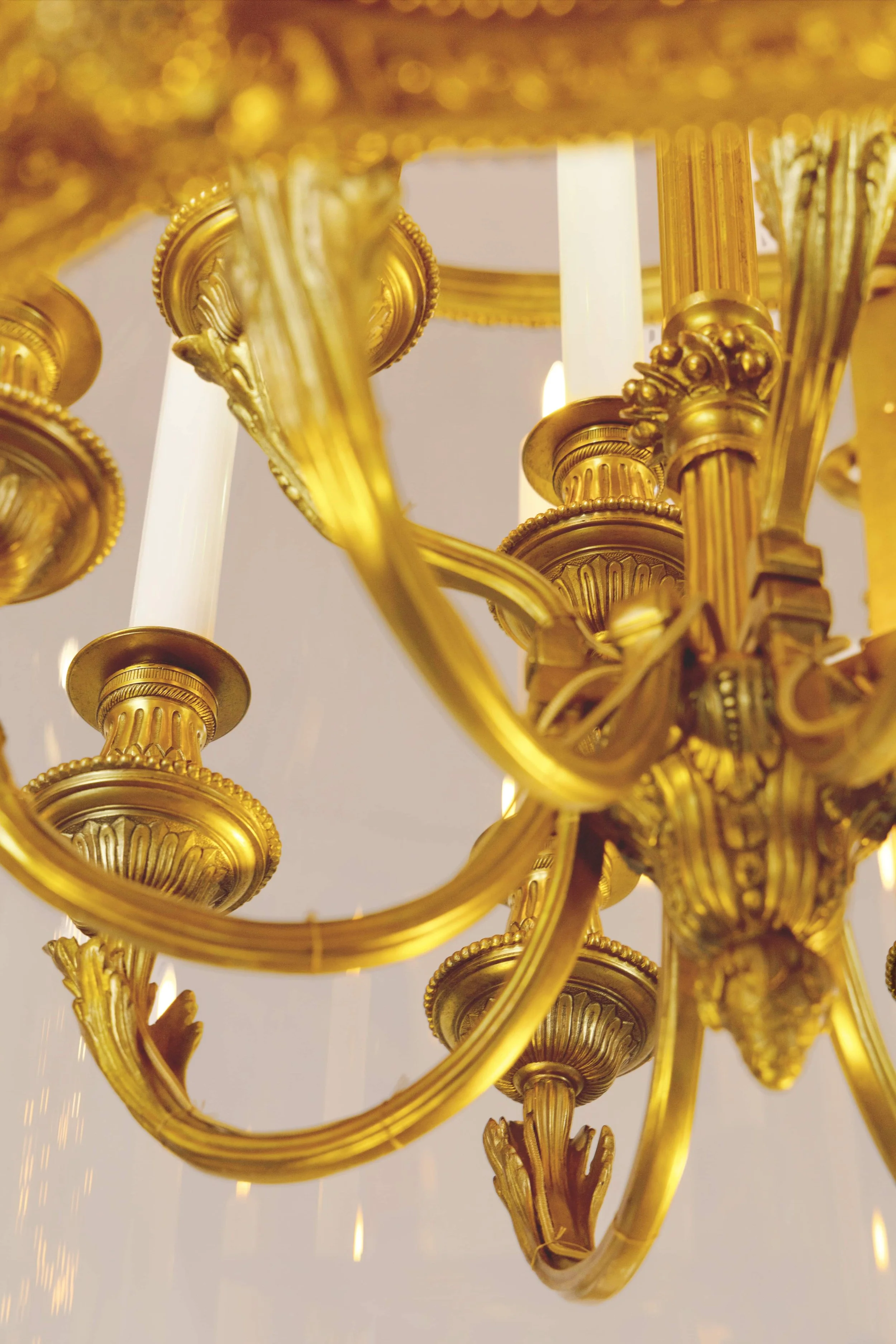
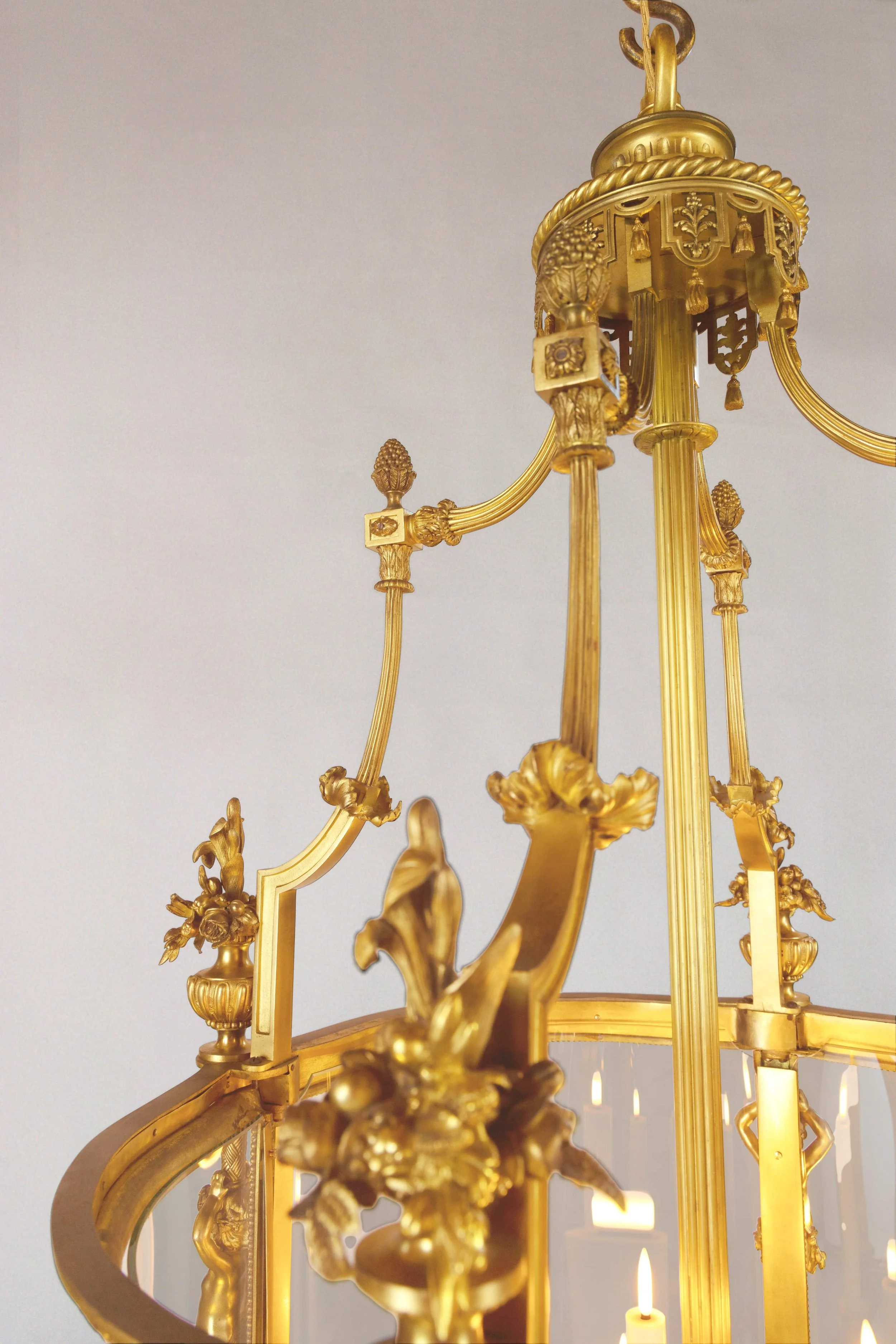
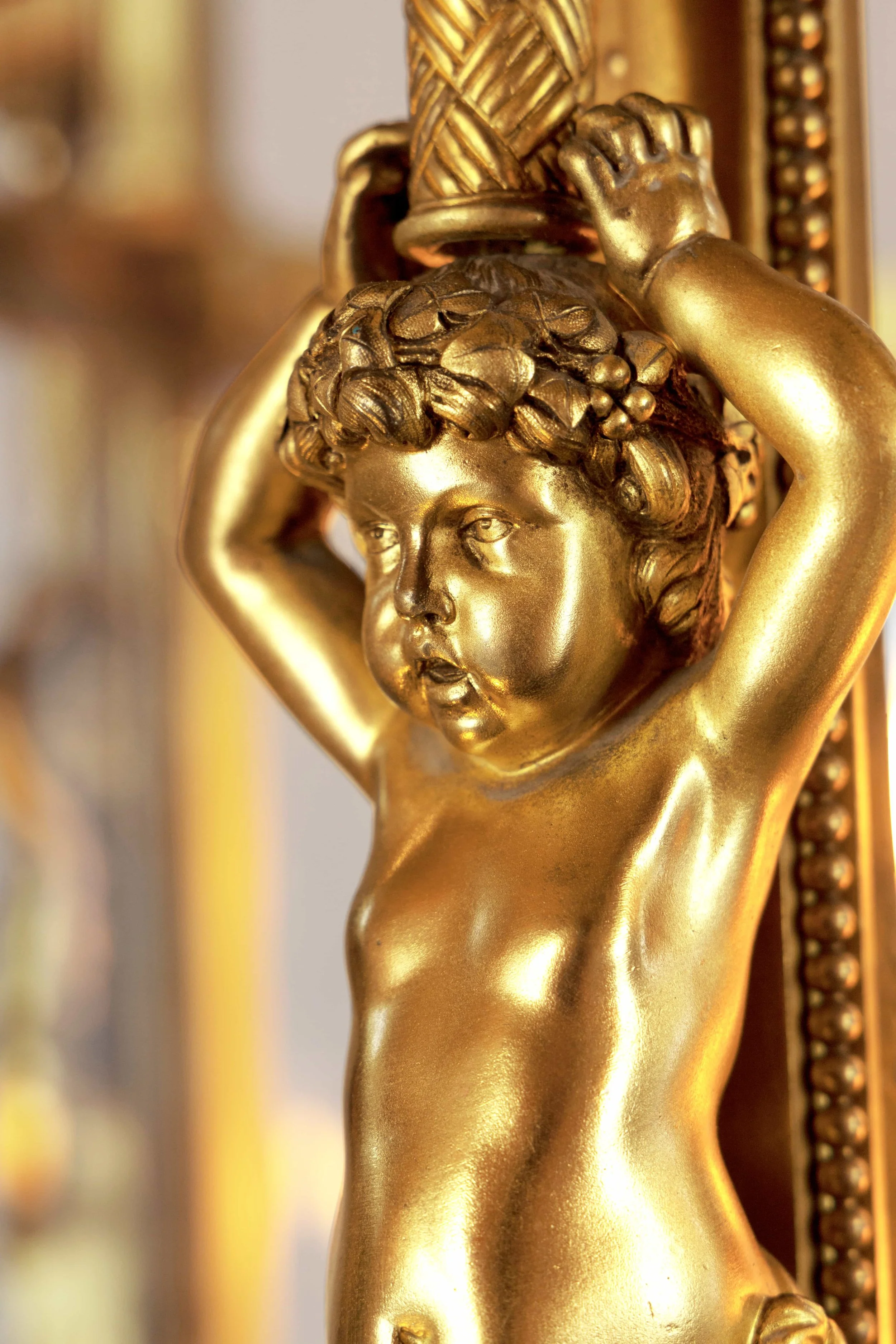
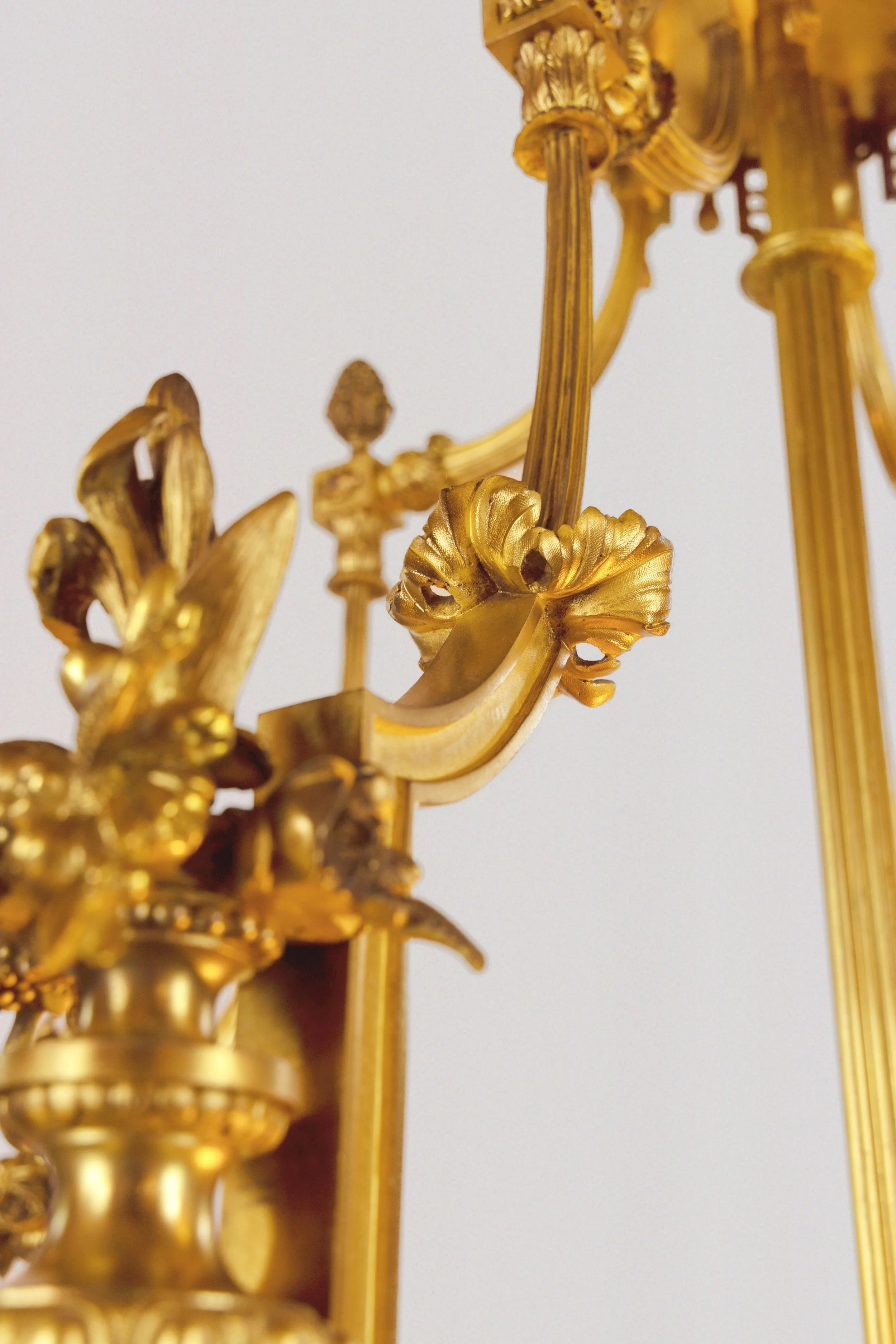
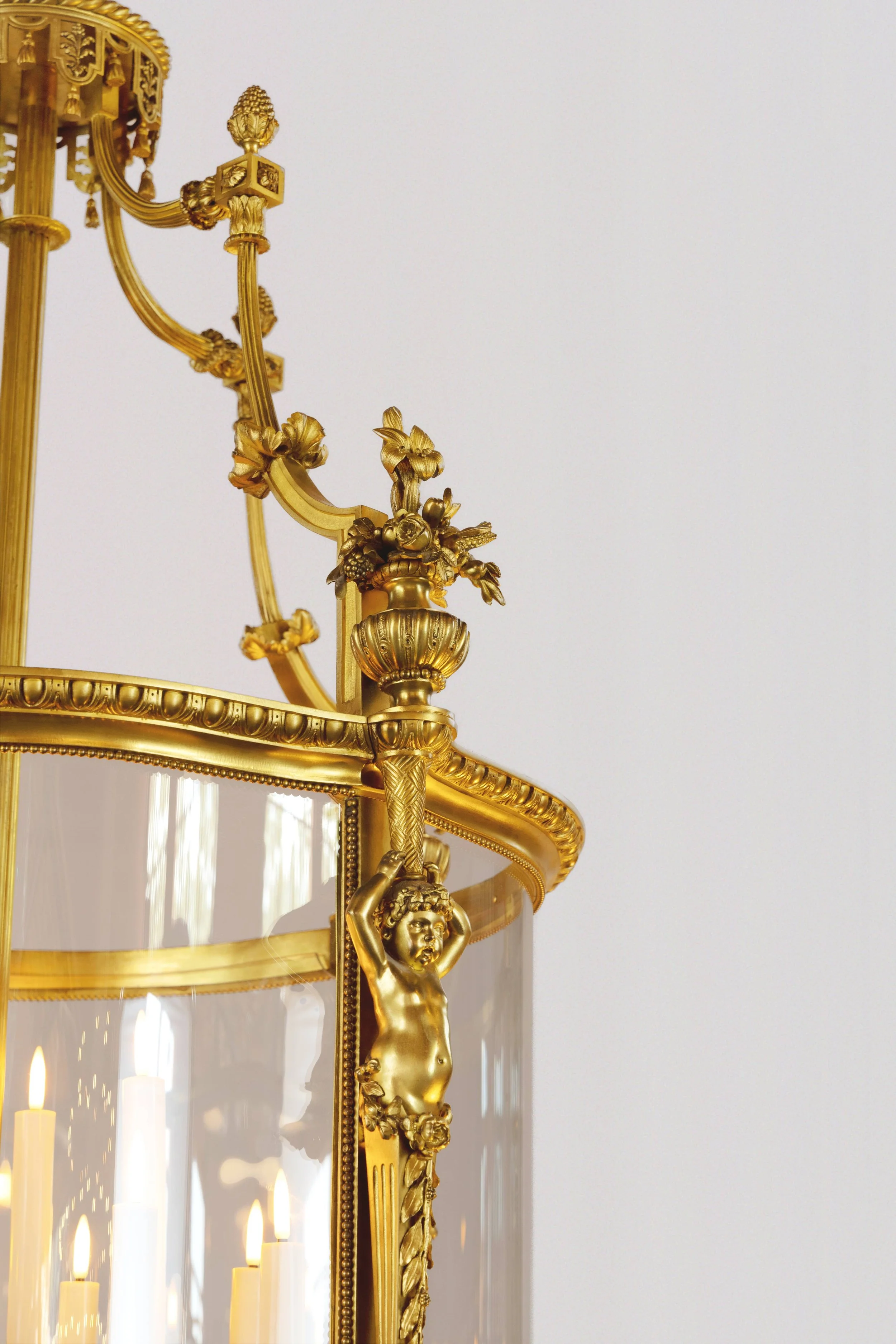
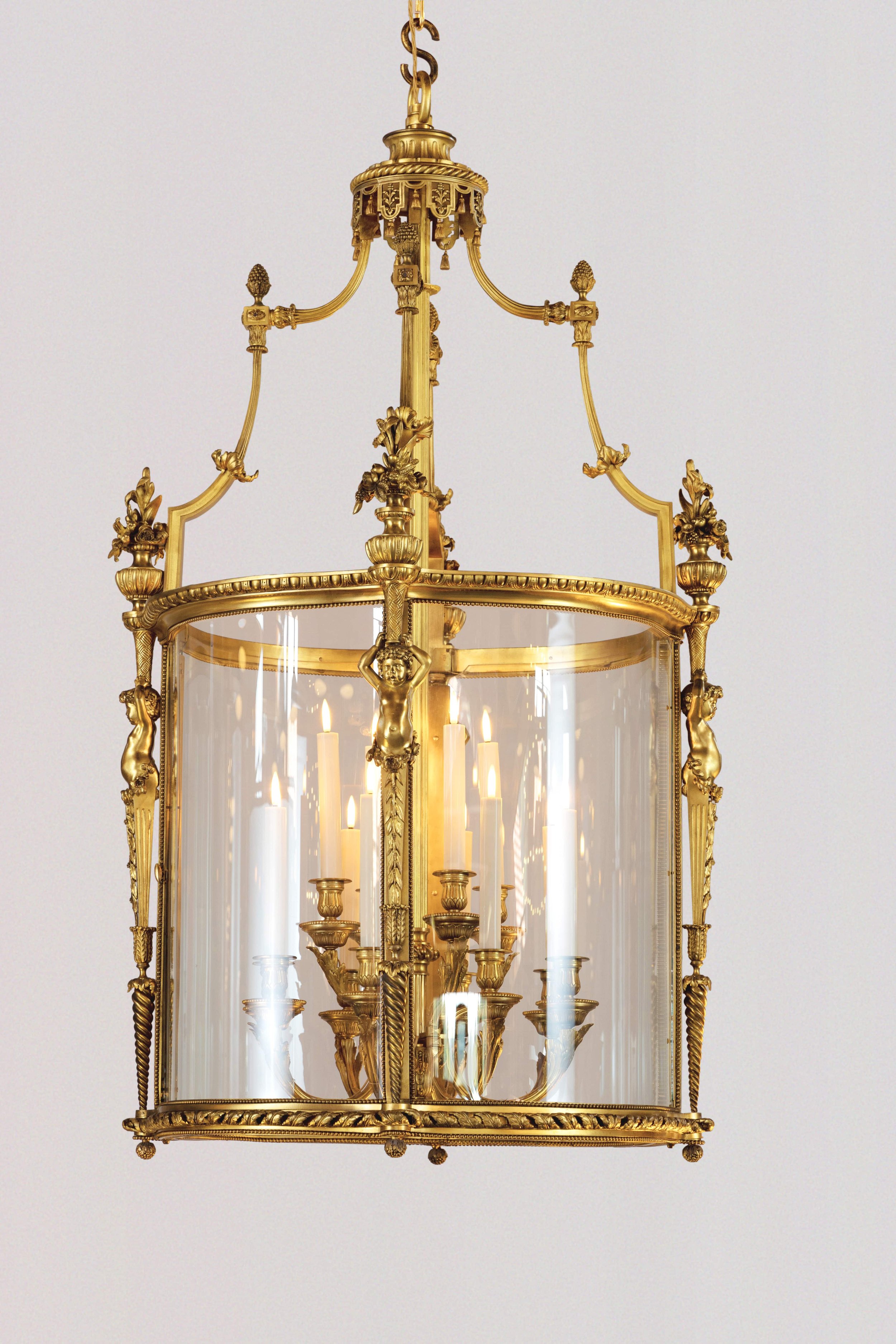
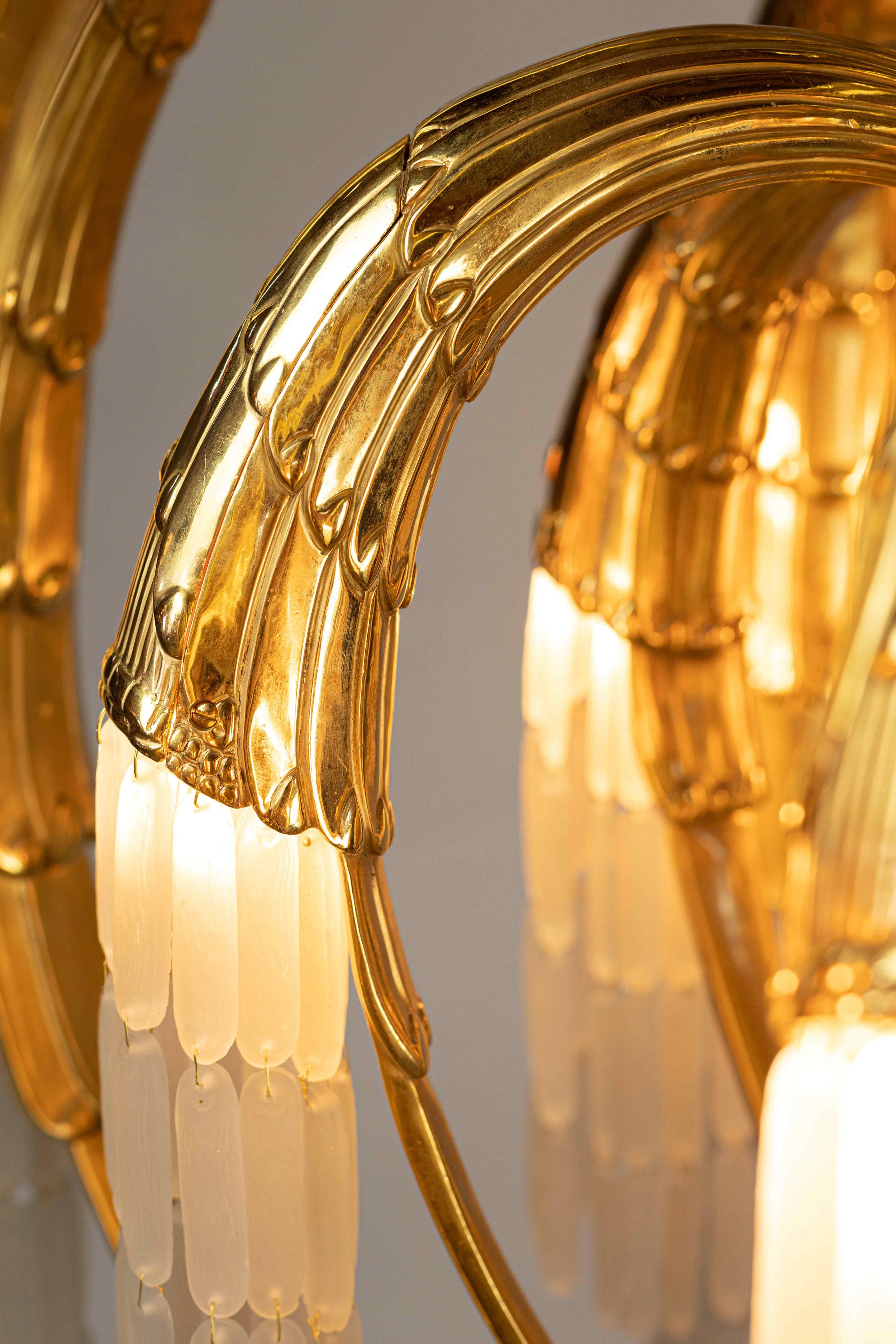
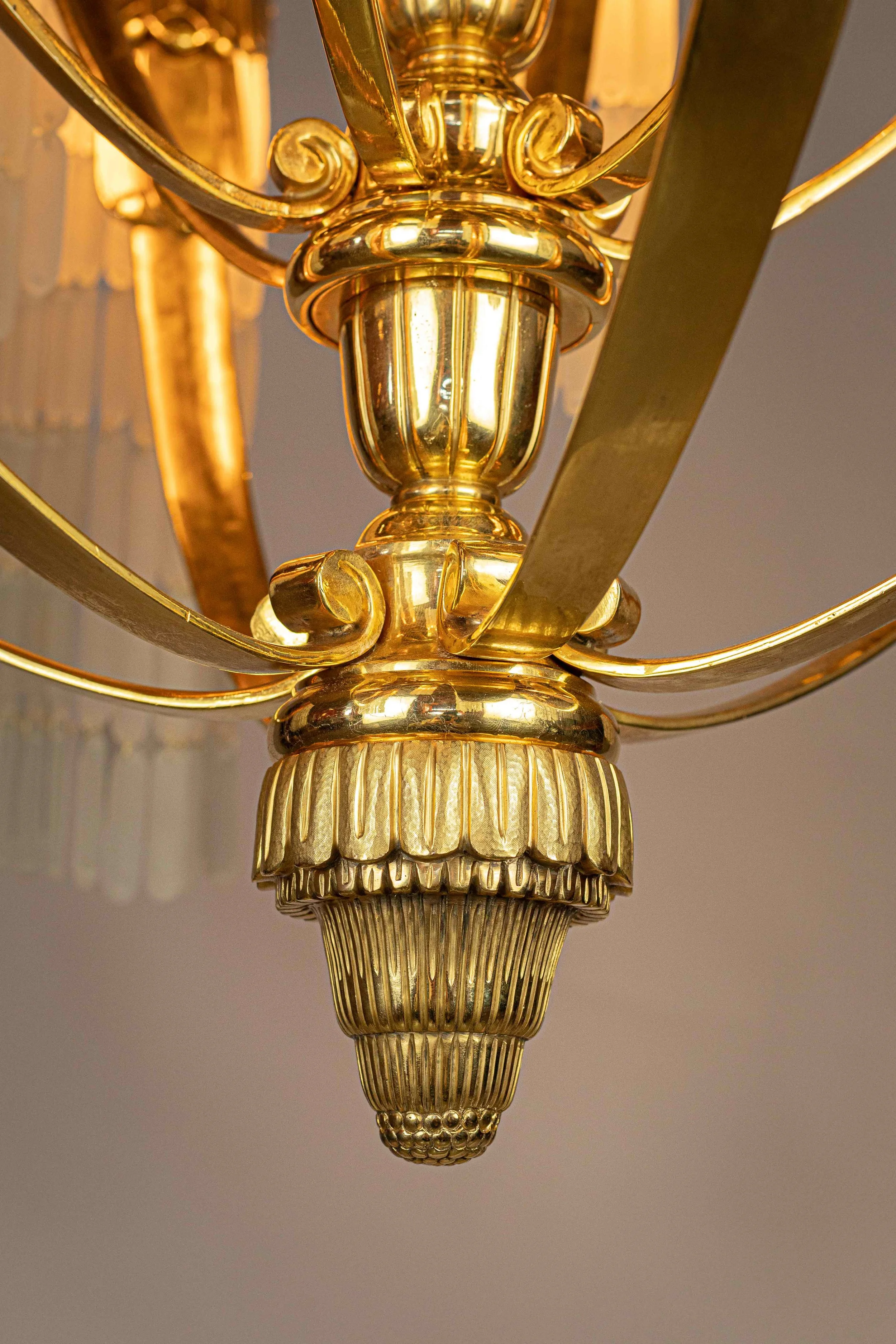
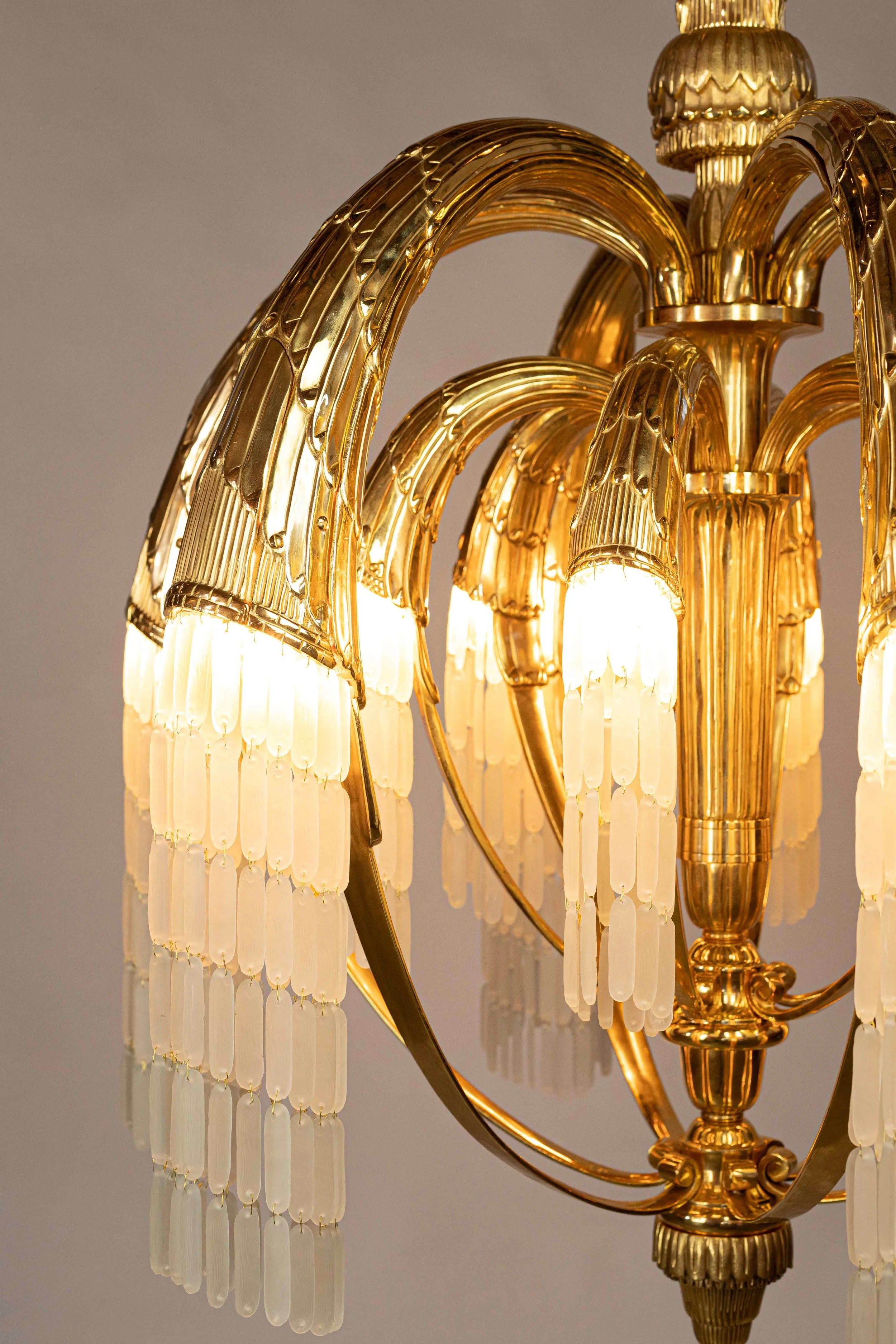
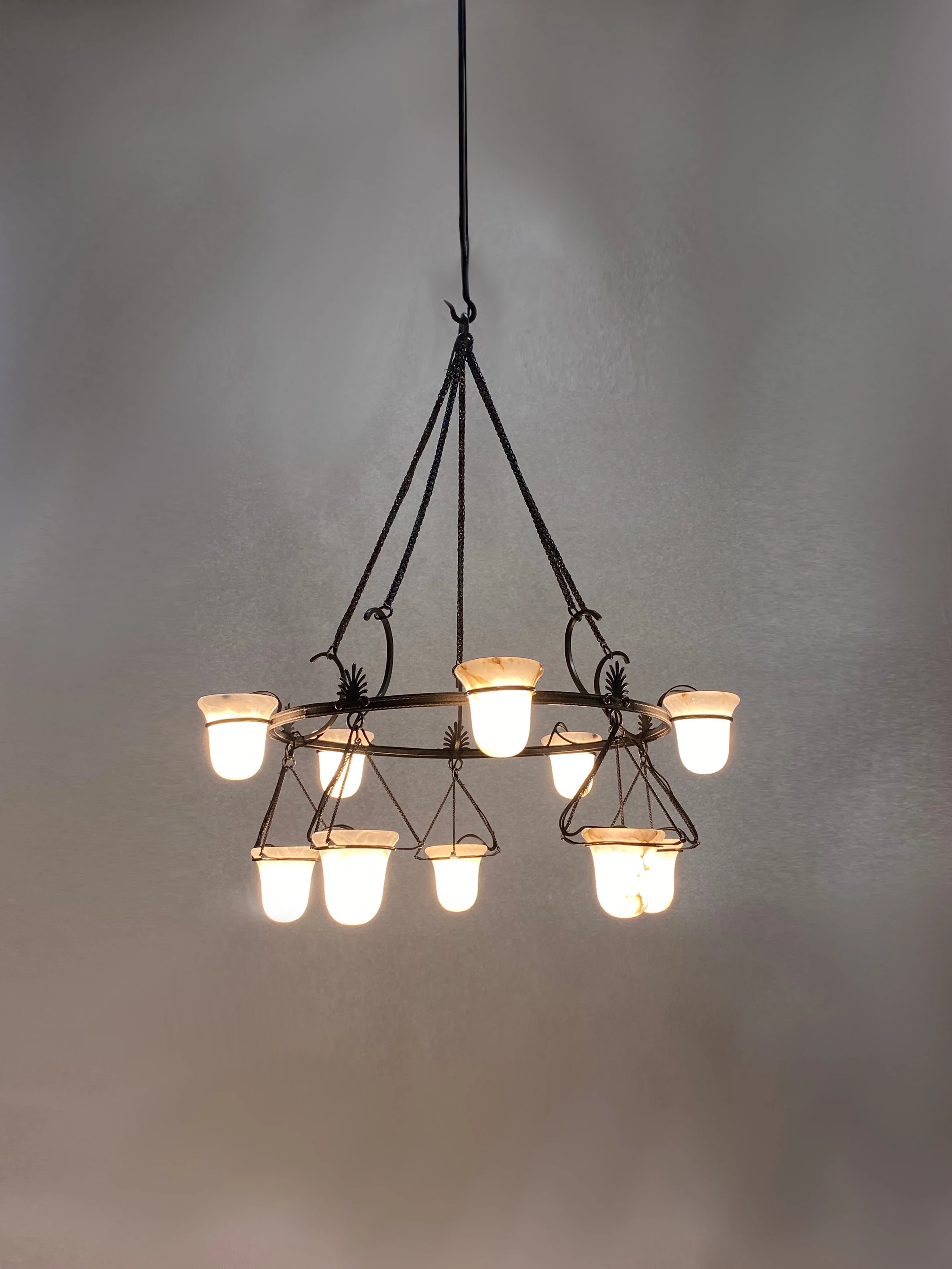
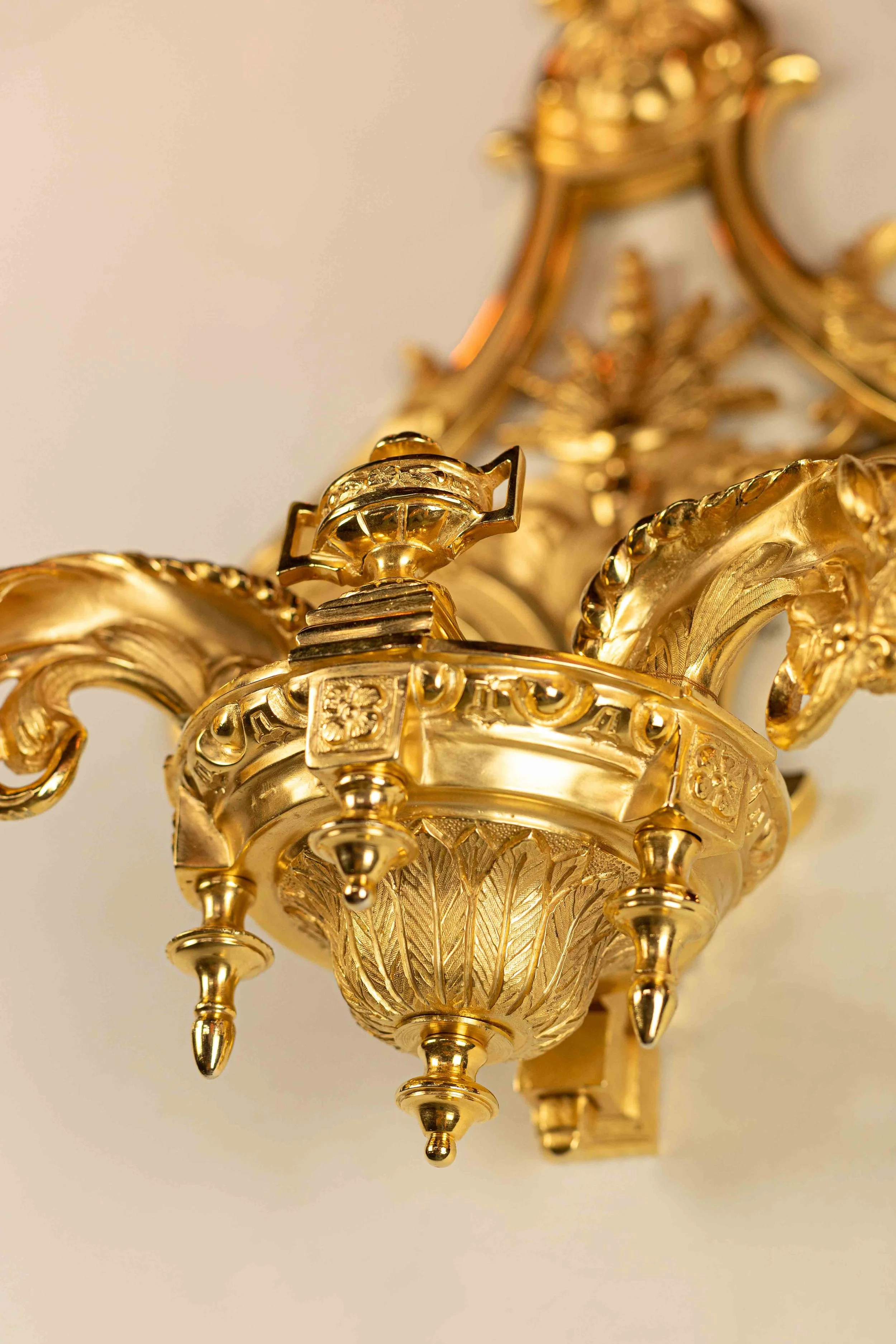
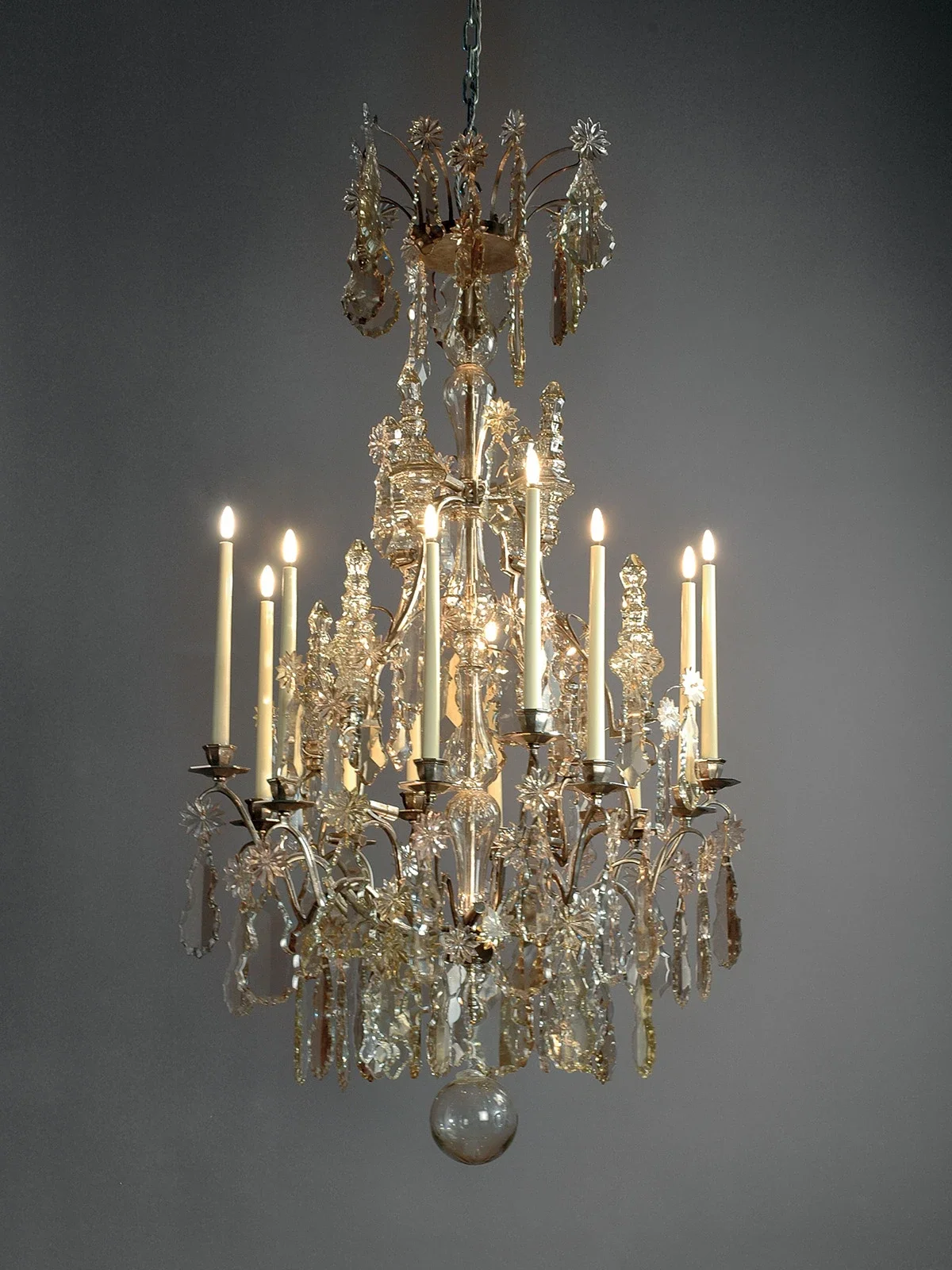
An 18th-century “cage” chandelier with twelve lights, crafted in silvered bronze and 18th-century crystal, reissued by the Mathieu Lustrerie workshops.

The chandelier known as a “cage” originated during the reign of Louis XIV and remained in use throughout the 18th and 19th centuries, with its most iconic expressions associated with the Louis XV style. Its name derives from the open, airy structure resembling a cage—hollow at its center—which lends these luminaires a striking sense of lightness and a surprisingly modern aesthetic.

The absence of a central core is both an aesthetic and practical advantage. It reduces the overall weight, allowing for larger and more ambitious designs than in earlier periods, while also making the chandelier easier to illuminate and transport. Although often perceived as a fixed decorative element, the chandelier, like any piece of furniture, could travel with its owner.

Frederick II of Prussia was particularly fond of these “cage” chandeliers, commissioning them extensively for his residences in Berlin and Potsdam and investing considerable sums in their refinement and elegance.

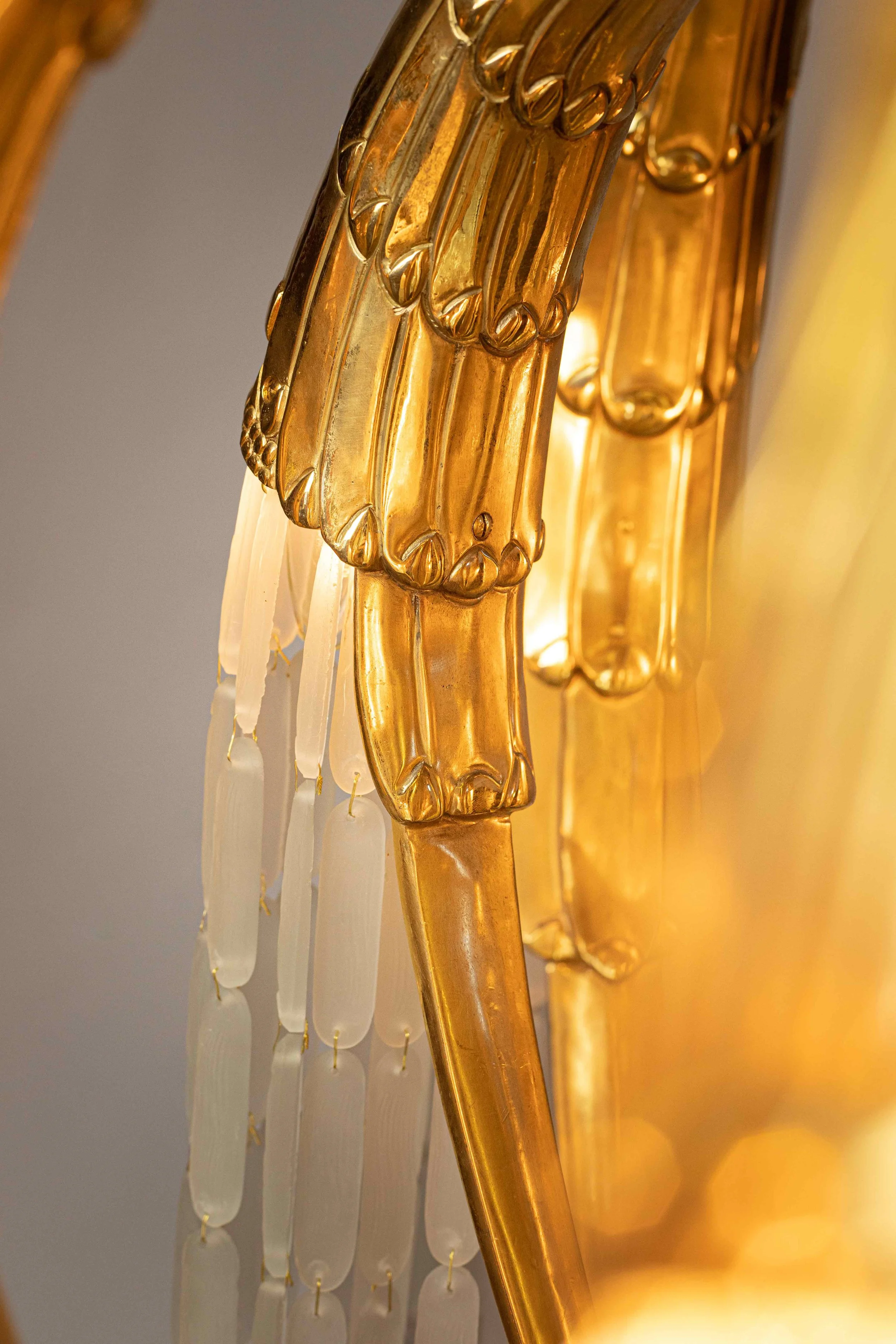
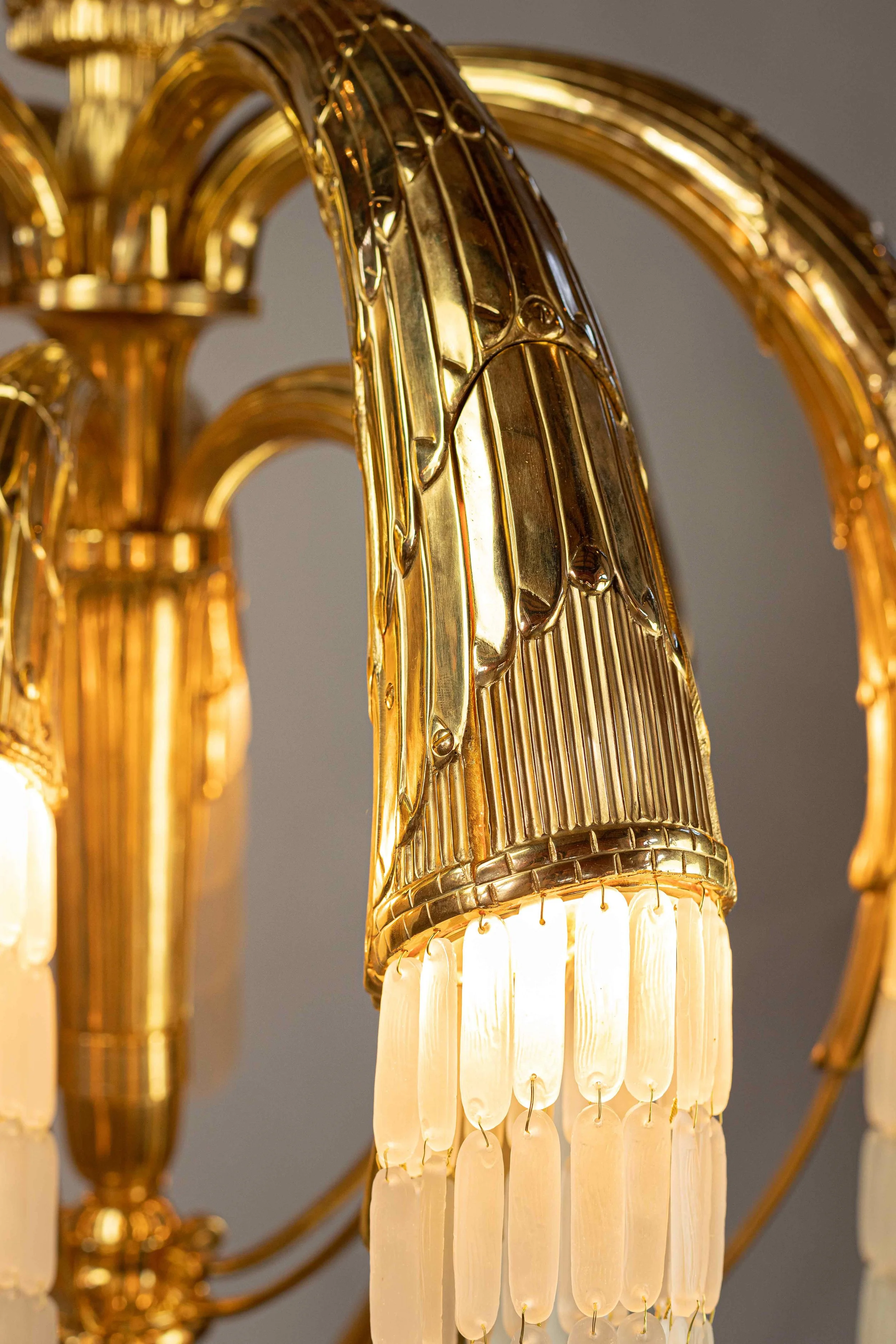
These chandeliers are adorned with pendants of “pure water crystal.” In the most prestigious examples, these were made from natural rock crystal sourced from the Alps, prized for its clarity and lack of impurities. More commonly, however, artisans used fused glass enhanced with manganese or tungsten—early precursors to lead crystal—now referred to as “18th-century glass” or “18th-century crystal.” Over time, these materials developed subtle smoky, purple, or yellow hues, adding depth, authenticity, and character to these exceptional works.

Height: 130cm
Width: 80cm

Here is a refined and more elegant version of your text:

An 18th-century “cage” chandelier with twelve lights, crafted in silvered bronze and 18th-century crystal, reissued by the Mathieu Lustrerie workshops.

The chandelier known as a “cage” originated during the reign of Louis XIV and remained in use throughout the 18th and 19th centuries, with its most iconic expressions associated with the Louis XV style. Its name derives from the open, airy structure resembling a cage—hollow at its center—which lends these luminaires a striking sense of lightness and a surprisingly modern aesthetic.

The absence of a central core is both an aesthetic and practical advantage. It reduces the overall weight, allowing for larger and more ambitious designs than in earlier periods, while also making the chandelier easier to illuminate and transport. Although often perceived as a fixed decorative element, the chandelier, like any piece of furniture, could travel with its owner.

Frederick II of Prussia was particularly fond of these “cage” chandeliers, commissioning them extensively for his residences in Berlin and Potsdam and investing considerable sums in their refinement and elegance.

These chandeliers are adorned with pendants of “pure water crystal.” In the most prestigious examples, these were made from natural rock crystal sourced from the Alps, prized for its clarity and lack of impurities. More commonly, however, artisans used fused glass enhanced with manganese or tungsten—early precursors to lead crystal—now referred to as “18th-century glass” or “18th-century crystal.” Over time, these materials developed subtle smoky, purple, or yellow hues, adding depth, authenticity, and character to these exceptional works.

About the designer

Recognised for their rare skills (EPV France) in restoring, re-editing and designing chandeliers using techniques from the 17th-20th centuries; Mathieu Lustrerie have been continually appointed by royal households and historic monuments to offer expert advice and restore and faithfully re-edit some of the world’s most celebrated projects. In addition to being an avid collector, Regis Mathieu has created contemporary collections adorned with rock crystal and semi precious stones, utilising the same cast bronze, hand chiseling and gilding techniques that were employed in the 17th and 18th centuries.

Founded in 1948 by Henri Mathieu in the Chutes-Lavie district of Marseille, the Mathieu Lustrerie Atelier has always associated its name with the art of the light. A family business in Provence. Henri Mathieu created a collection of lighting in 1970s of brushed aluminium blades, treating lights as sculpture. 

After Henri’s untimely death in 1982 the workshop was run by his wife Yvette. Then in early 1990 their son, Regis Mathieu assumed the helm. Fascinated by beautiful things since childhood, he immediately understands that his future is linked to history. He expanded sales to the United States and the Middle East, bringing the French style to a prestigious clientele. 

Régis Mathieu's exceptional collection of over 1000 chandeliers are showcased in both the Mathieu Museum in the Luberon and the Régis Mathieu Gallery in Paris. The objects of light are always presented alongside works of art, inviting you to take a walk through time from the 15th century to modern day.

The lighting of historic monuments, museums, and venerable homes often suffers from the scars of time, revolution or the reversal of fortune. The Mathieu Lustrerie atelier is capable of authentically re-fabricating exactly, any light fixture to the specification of the archives, drawings or photos.